
Read Detailed Insights From Miller's Blog
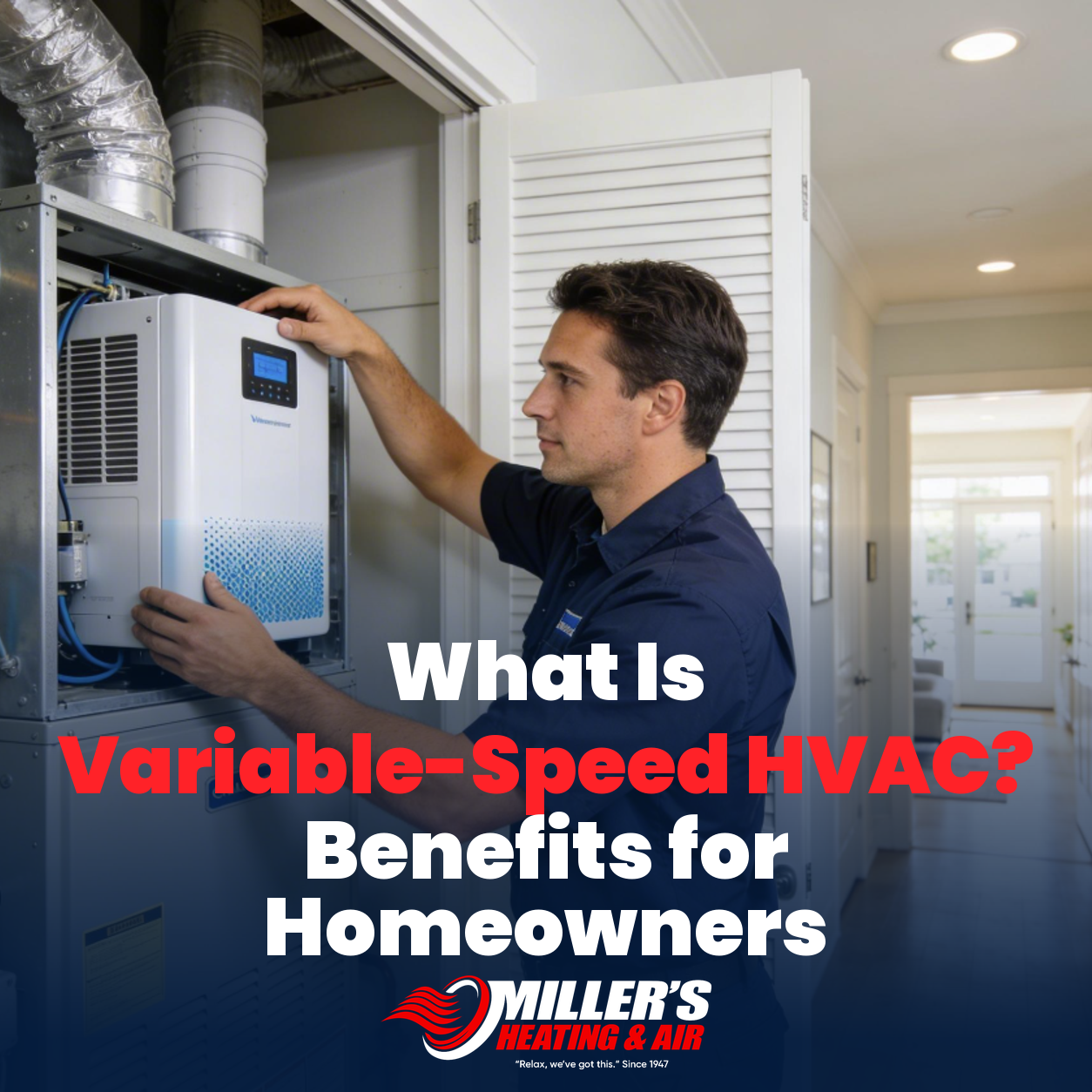
What Is Variable-Speed HVAC? Benefits for Homeowners
Investing in a variable speed furnace or a variable speed heat pump may improve your home's comfort, but the right choice depends on your existing equipment, ductwork, budget, and heating and cooling needs.

How Does a Heat Pump Work in Winter?
How does a heat pump work in winter? Learn how heat pumps pull heat from cold outdoor air, use defrost mode, and keep your home warm in cold weather.

AUX Heat vs. Emergency Heat: What's the Difference?
Welcome to Miller's Heating & Air, your trusted partner for heating and cooling in Vancouver, WA. In this article, we're going to clear up some common confusion about auxiliary heat and emergency heat in heat pump systems.

Heat Pump Sizes: 2 Ton, 2.5 Ton, 3 Ton, and 4 Ton
When it comes to heating your home efficiently, choosing the right size heat pump is crucial. A heat pump that's too small won't adequately heat your home, while one that's too large can lead to increased energy costs.
How to Read Your HVAC Warranty: What Homeowners Should Know
HVAC warranty paperwork can be difficult to interpret, especially when there are several documents involved. Different documents may list different coverage periods, registration requirements, and exclusions.
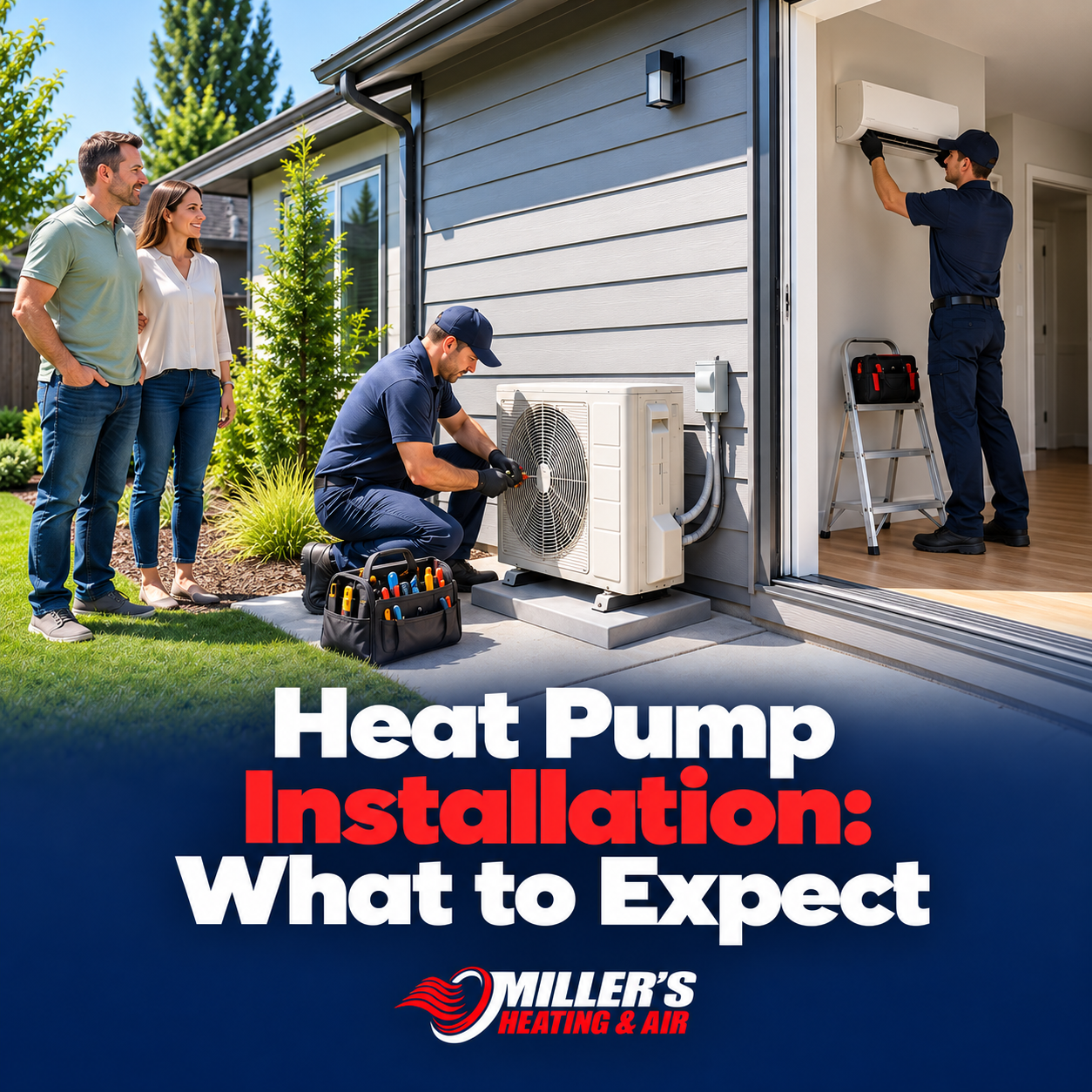
Heat Pump Installation: What to Expect
The process includes having a contractor look at your home, size the equipment correctly, review the existing ductwork and electrical setup, remove the old system, install the new one, test performance, and walk you through how everything works.
Why Your Heating Bill Suddenly Goes Up in Winter
Your home loses heat faster when temperatures drop. That means your furnace or heat pump might have to run more often to keep your home at a comfortable temperature. Plus, utility costs rise from year to year.
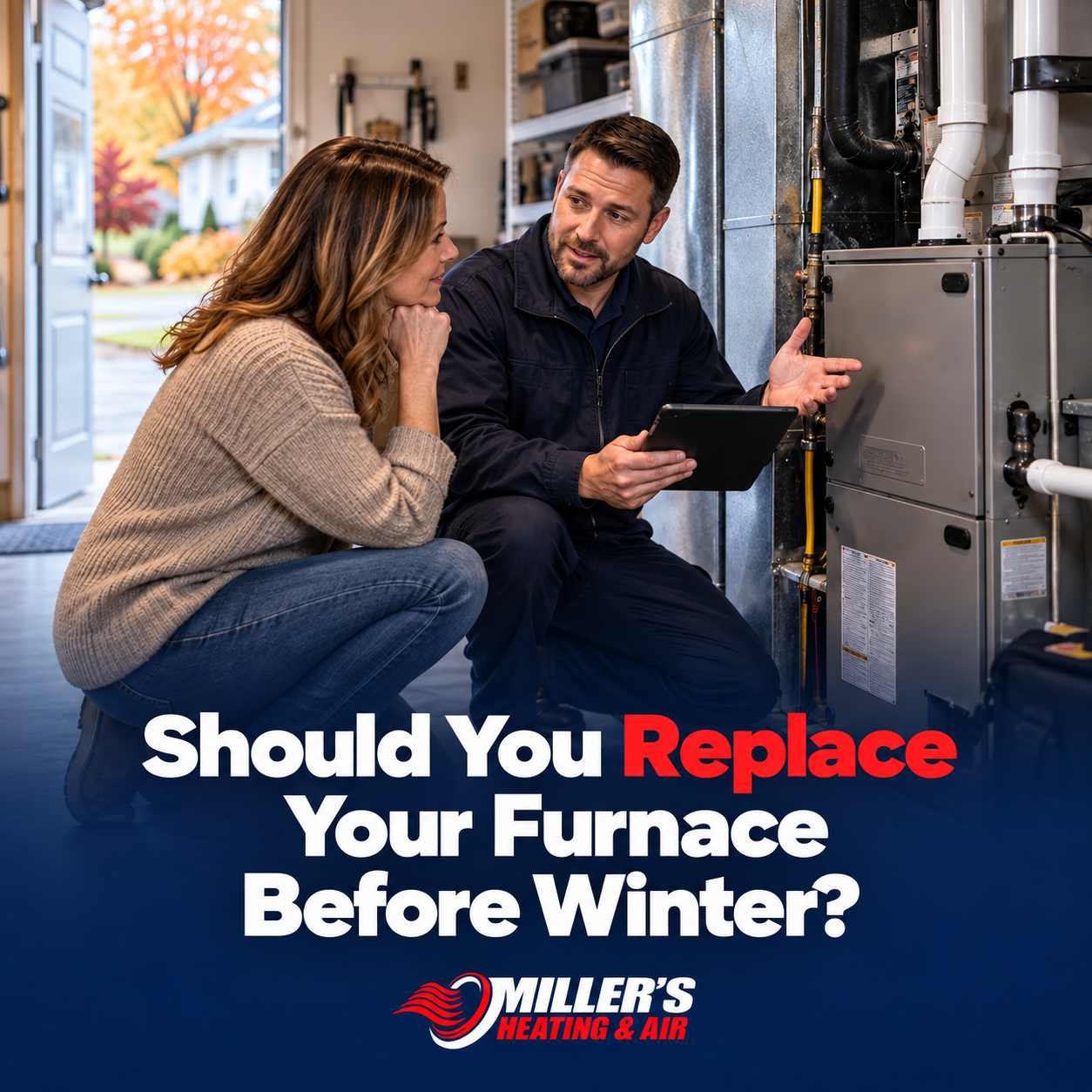
Should You Replace Your Furnace Before Winter?
Should you replace your furnace before winter? Learn the signs to watch for and when furnace repair or replacement may make sense for your home.
Why Your Heat Pump Runs Longer When Temperatures Drop
If you're used to a furnace, that might be strange. That’s because a furnace usually delivers hotter air in shorter bursts. A heat pump works differently. It moves heat instead of creating it through combustion, so during colder weather, it often runs longer to keep the house comfortable.
What Your HVAC Technician Checks That You Can’t See
You can replace the filter. You can make sure none of your vents are closed. You can check the settings on your thermostat and clear leaves away from the outdoor unit. All of these things are worth doing.

Do I Have a Heat Pump?
Not sure if you have a heat pump? Learn how to identify your HVAC system, what a heat pump looks like, and how it differs from a furnace or AC.
Heat Pump Repair: Warning Signs You Shouldn't Ignore
Heat pumps rarely fail without warning.
If your system is running longer than it used to, if one room never gets to temperature, or if the outdoor unit is making more noise than it should, it may be an early sign that something in the system needs attention..
What Happens If You Skip HVAC Maintenance?
HVAC systems typically wear down slowly over time.
It might start with a dirty filter, a weak capacitor, a clogged coil, or a refrigerant issue. You may not even notice it if the system is still running, which is the main issue with skipped HVAC maintenance.
Questions to Ask Before Hiring an HVAC Contractor
It might feel tempting to pick the cheapest quote when hiring an HVAC contractor, especially when you’re dealing with a big repair or replacement. But because your heating and cooling affect how comfortable you are at home and how much you’ll pay in the long run, it’s not really a one-time cost.

Where Should a Ductless Mini Split Be Installed?
Choosing the right location for your ductless mini split can improve comfort, efficiency, and system performance. Learn the best placement tips for indoor and outdoor units.

Window AC vs. Ductless Mini Split: Which Is Better?
Comparing a window AC and a ductless mini split? Learn the differences in comfort, energy efficiency, noise, air filtration, installation, and long-term value.
Why Your Home Won't Stay Cool During Heatwaves
Some homes handle heatwaves pretty well. Some lose the fight by mid-afternoon.
Even if you have your AC on with the thermostat set low and air coming from the vents, the house might still feel warm and uncomfortable. And if by evening your system is still running and the upstairs bedrooms feel hot, you might be wondering.
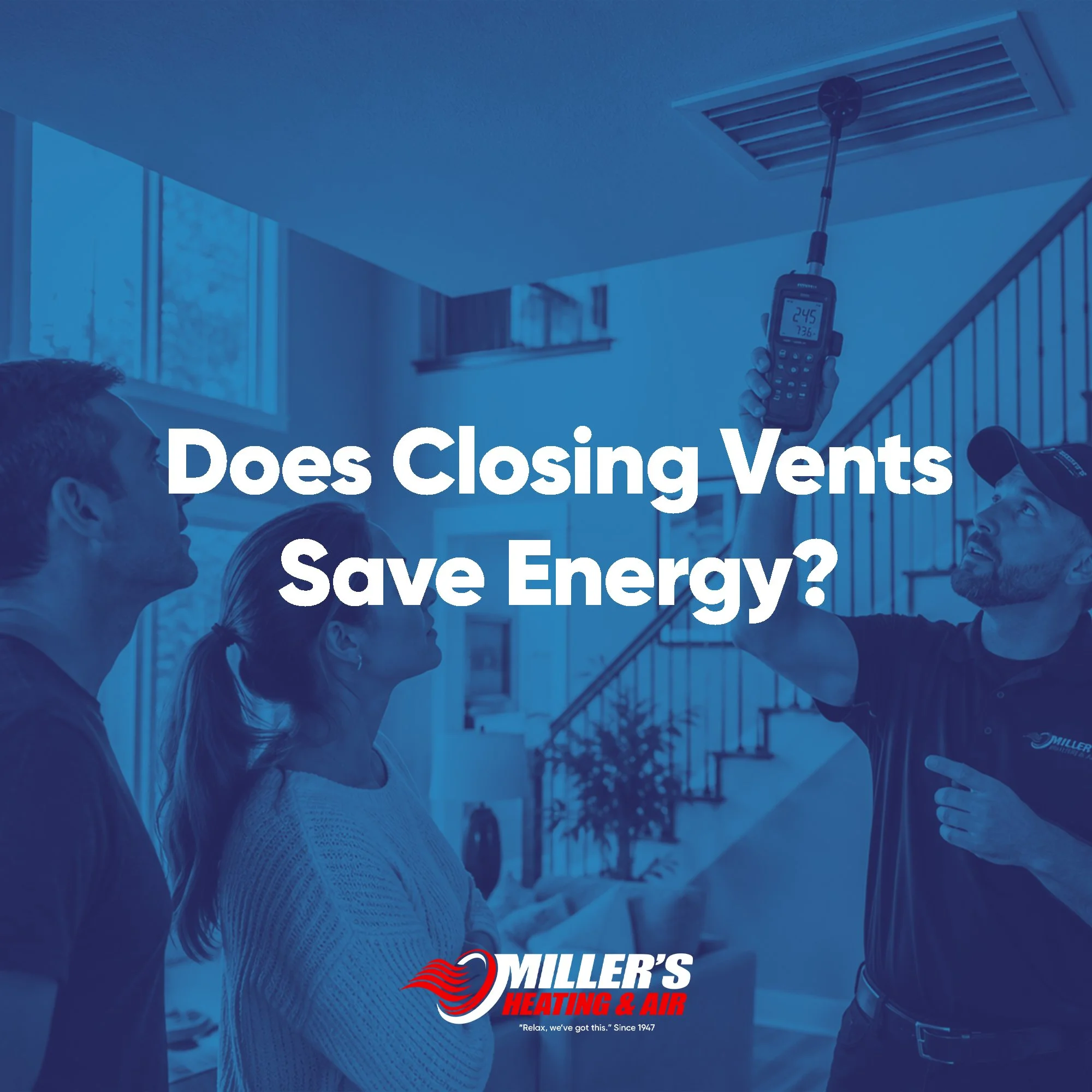
Does Closing Vents Save Energy?
Closing air vents won't always improve comfort and may increase HVAC strain. Learn why closing vents can reduce airflow and make hot and cold rooms worse.

Mid-Summer HVAC Check for Homeowners
Use this mid-summer HVAC checklist to spot AC problems early, improve efficiency, and know when it's time to schedule professional service.
Why Your Upstairs Is Hotter in Summer
Wondering why your upstairs is hotter than downstairs every summer? Learn the most common causes and when an HVAC inspection can restore comfort.