When HVAC Tune-Ups Matter Most
Timing is one of the most important factors to consider when scheduling an HVAC tune-up.
A tune-up after the system has already failed doesn’t help much. At that point, you’re dealing with a repair call. The real value comes from getting on top of small problems as soon as possible.
The best time for HVAC tune-up service usually depends on the season, the age of your system, and whether you’ve noticed changes in comfort, noise, airflow, or energy use.
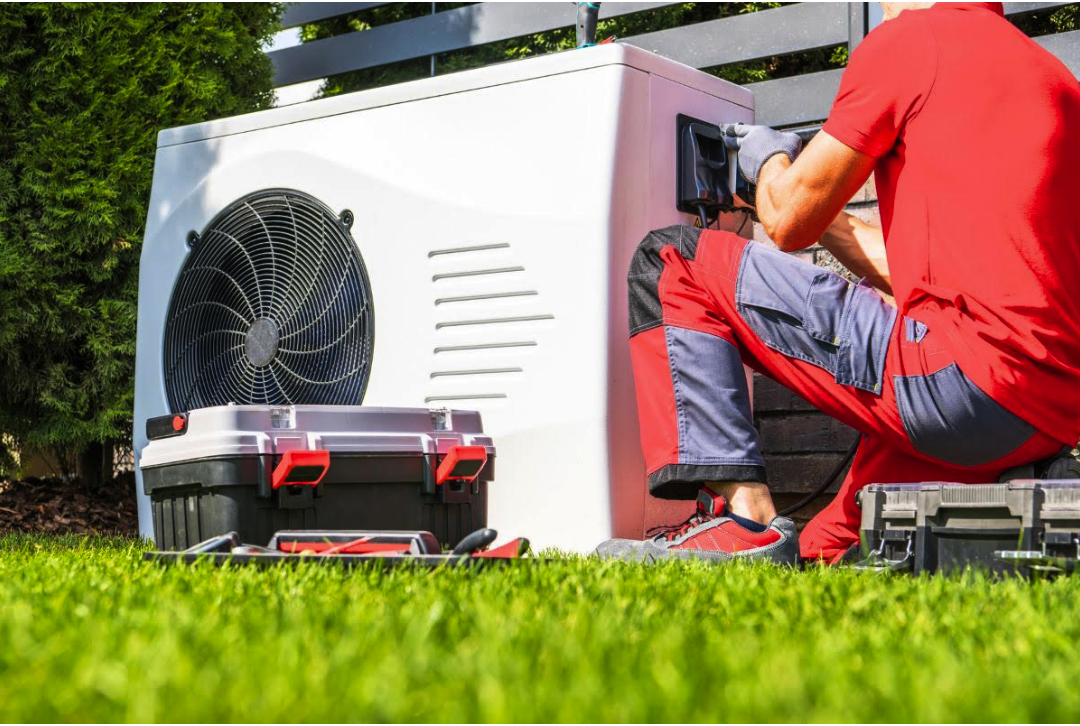
When an HVAC Tune-Up Makes the Biggest Difference
Done at the right time, maintenance can help lower operating costs, reduce breakdown risk, and give you a clearer picture of what your system actually needs.
1. Before the First Heatwave
Spring is usually the best time to schedule AC maintenance.
Your system has been sitting mostly idle through winter. Then the first warm stretch arrives, and suddenly the outdoor unit has to start, pull heat from the house, and run for hours again.
That first little spike in demand can expose the weak parts of your system. If you have capacitors that barely made it through last summer, they may fail on startup. Dirty condenser coils can make the system run longer than normal.
That’s why spring HVAC maintenance makes the most sense. You get the system checked before appointment calendars fill up and before your AC has to keep up with long, hot afternoons.
If you’re wondering when to schedule AC tune-up service, aim for spring before the first real heatwave. You’ll have more scheduling options, and any small repair can usually be handled before the system becomes essential every day.
2. Before Winter Heating Season
Furnaces need the same kind of attention before cold weather arrives.
Furnaces that aren’t in good shape can struggle once overnight temperatures drop, even if mild weather doesn’t put much stress on the system. When it’s extremely cold, the furnace might run for a short time, shut off, and have a hard time starting back up.
Once winter settles in, you don’t really want to ignore this issue. Dirty burners can affect ignition. Weak ignitors may fail at the worst time. Flame sensors can get dirty enough to shut the system down. Clogged filters and restricted airflow can cause overheating.
This is usually when we see many homeowners start searching for “furnace tune-up specials near me,” often right after the first cold snap. The better move is to schedule before that rush.
Pre-winter service gives a technician time to clean, test, and look for early warning signs.
3. After Performance Changes
A tune-up also makes sense whenever your system starts acting different. This is usually the stage where homeowners begin searching for “HVAC repair near me” before a small issue turns into a major breakdown.
Maybe the airflow is all of a sudden weaker, or the outdoor unit is buzzing or humming in a way you don’t recognize. Maybe the system runs longer than usual, or one bedroom never seems to get as warm as the rest of the house.
If you notice these changes, it doesn’t necessarily mean you have something major that’s broken. Often, these signs just point to early wear, airflow restrictions, or bad electrical parts.
The best way to find out for sure, however, is by looking for local HVAC service.
4. After a High Utility Bill
A lot of homeowners shrug off high utility bills as normal in the summer or winter.
Weather plays a role, of course. But if your usage habits haven’t changed and your bill jumps a ton, your HVAC system may be running longer than it should.
There are a few reasons you might have a higher utility bill than normal:
Dirty coils
Weak airflow
Aging electrical parts
Duct leakage
Thermostat issues
The house may also still reach the set temperature, but it takes longer and costs more to get there.
A tune-up gives you a chance to find out where that extra energy is going. The technician can test performance, check airflow, inspect electrical components, and see whether the system is losing efficiency.
Nipping utility bill problems in the bud is where seasonal HVAC service timing really pays off.
5. For Older HVAC Systems
Older systems deserve more attention because they have less margin for stress.
Once equipment reaches the 10- to 15-year range, even small issues can become bigger problems. A weak capacitor, worn blower motor, dirty coil, or aging contactor can put extra strain on parts that already have years of use behind them.
A tune-up won’t make an old system new again. It also won’t guarantee the system lasts forever. But it can help you get more useful life out of it.
It also gives you better information. If a technician sees that the system is still in decent shape, you can keep maintaining it with more confidence. If several components are starting to fail, you can begin planning for replacement instead of being forced into that decision during peak season when it’s more expensive.
6. Before Selling or Buying a Home
HVAC problems can complicate a home sale.
If you’re selling, it’s a good idea to get a tune-up or inspection and deal with issues before you get a call from the buyer’s inspector. That gives you a chance to make small repairs, gather service documentation, and avoid last-minute negotiations over the heating or cooling system.
If you’re buying, an inspection gives you a clearer sense of what you’re inheriting. A system may turn on during a showing, but that doesn’t tell you much about airflow, electrical condition, coil cleanliness, or remaining lifespan.
This can be especially useful for older houses, remodeled properties, or homes where additions may have altered the original ductwork or load requirements.

What Happens During a Tune-Up
During a tune-up, a technician will:
Check electrical components
Test capacitors
Inspect wiring
Review thermostat operation
Measure airflow
Clean key parts of the system
Watch how the system performs during a real cycle
For AC, that may include:
Inspecting the outdoor condenser coil
Checking refrigerant performance
Clearing the condensate drain
Testing the contactor
Making sure the system can reject heat properly.
For heating, it may include:
Burner cleaning
Flame sensor checks
Blower inspection
Safety control testing
Temperature rise measurement.
If you’re comparing HVAC tune-up specials, make sure the service includes actual testing and inspection. A cheap visit that skips the important checks may not save you much in the long run.
Schedule Service Before Peak Season
The best tune-up happens before the system is under pressure.
Schedule HVAC service in Vancouver, WA, before peak season arrives, especially if your system is older or you’ve noticed an increase in your bills. A tune-up before summer heat or winter cold gives you time to fix small issues while they’re still manageable.