How Regular Furnace Maintenance Prevents Winter Breakdowns
Furnaces tend to fail more in winter, as that’s when they work the hardest. When the weather is cold, your furnace has to push harder, run longer, cycle more often, and operate closer to its limits. Weak parts can’t deal with that kind of demand.
Most homeowners don’t experience furnace failures at random. It’s usually on the coldest days. When everyone needs service at once, wait times increase and repair costs often follow.
The solution is regular furnace maintenance, which helps reduce winter breakdowns by finding problems early on. With preventive care, you can keep your furnace running when you need it most instead of scrambling for emergency HVAC repairs at the worst possible times.
Why Furnaces Fail in Winter
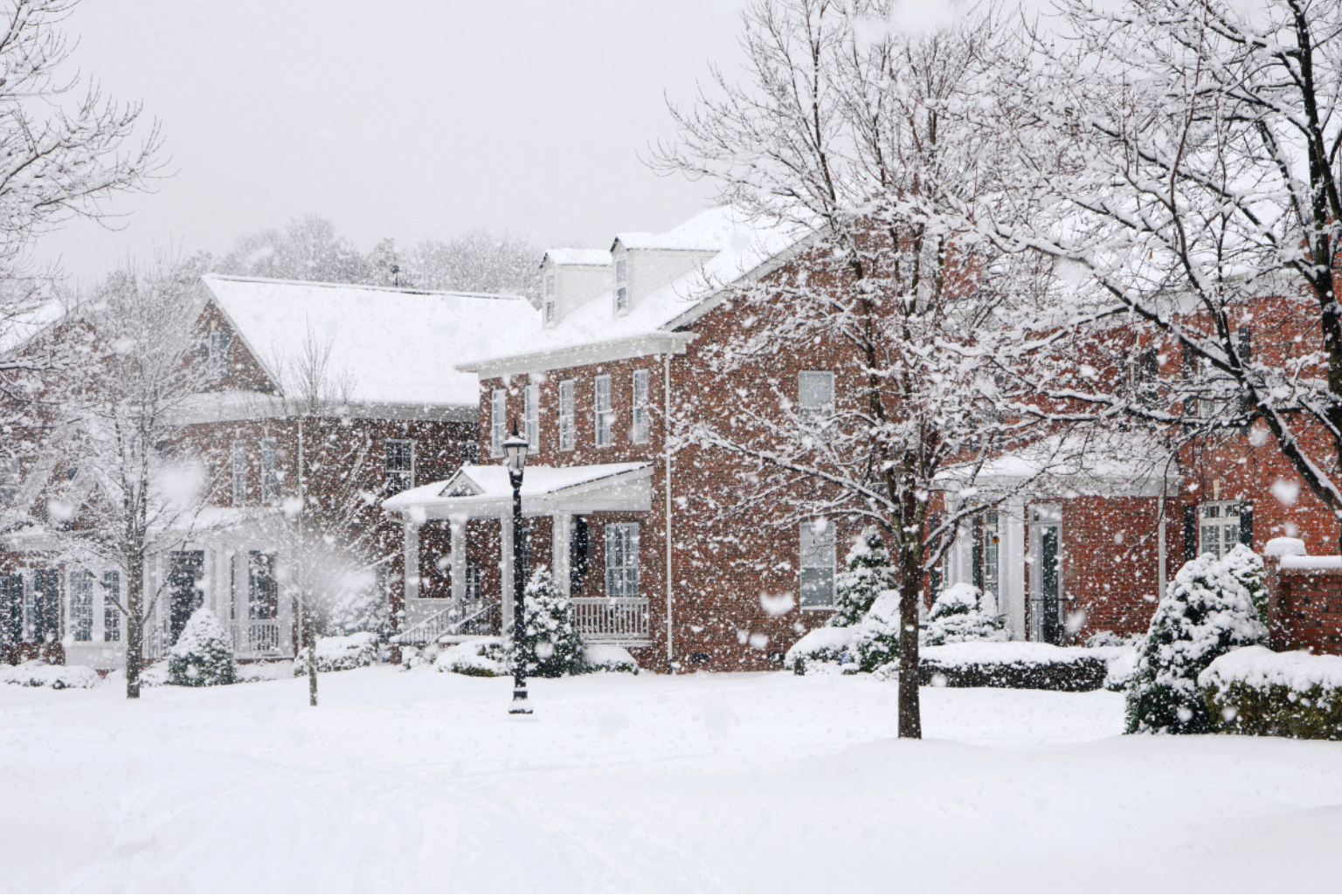
Winter has a nasty habit of exposing weaknesses in our heating systems. Components that held together during mild weather are suddenly under heavy demand all the time.
This is especially true for ignition systems, motors, blowers, and heat exchangers. Cold weather pushes these components a lot harder.
If you have dirt buildup that restricts your airflow, it can raise the internal temperatures of your system and trigger a safety shutdown. The harder you run your system, the more likely you are to have electrical issues surface.
It rarely surprises us when we receive a furnace failure phone call. As we always tell our clients, most failures trace back to problems that regular furnace maintenance would have caught earlier.
What Regular Furnace Maintenance Means
Anyone can take a quick look at a furnace and see that it needs a filter change. That’s not going to prevent a breakdown.
Professional HVAC maintenance is more in-depth. It typically involves a detailed tune-up that focuses on prevention. A technician will come out and inspect your burners, the heat exchanger, the blower, the ignition system, and any other parts that might experience more stress in winter.
They may also perform an electrical system inspection, which typically includes checking wiring connections, safety switches, control boards, and motors. Electrical failures account for a large share of winter breakdowns.
Next, they’ll evaluate your system’s airflow, looking at the furnace filters and seeing how ducts and returns are operating to make sure your system isn’t overheating.
The last step in preventive HVAC services is running the system to verify it’s working safely and efficiently.
Why Furnaces Break Down During Winter
Simply put, people run their furnaces more in winter. If you only run it occasionally in fall or spring, you might not see any serious problems. It’s usually when a system is running for hours at a time that weak links start to surface.
With a proper HVAC maintenance routine, you can address problems with your airflow, electrical components, or any other critical parts before you need them in winter.
How Furnace Maintenance Prevents Common Winter Failures
Identifies Small Problems Before They Become Emergencies
Most emergency HVAC service calls we get are easy fixes. A technician can come over and fix loose connections or replace dirty sensors in a heartbeat. The issue is when homeowners know these issues are there and hold off on fixing them. That just creates problems that get worse over time.
With regular furnace maintenance, you can make minor fixes now to prevent major repairs later.
Prevents Overheating and Safety Shutdowns
One of the top reasons furnaces fail in winter is that the filters are dirty. If air can’t move through them properly, the internal temperatures rise. This signal safety switches to shut the system down to prevent further damage.
One major component of maintenance is airflow. A technician can replace your clogged furnace filters, inspect the condition of your ducts, and test your limit switches to make sure they’re working.
Reduces Electrical and Breaker-Related Issues
Most preventive HVAC services include electrical system inspection and amp draw checks. A technician will identify the motors or components that might trip your breakers or shut the system down, and either replace or repair them.
Improves Ignition and Startup Reliability
If you have dirty flame sensors and worn ignition components, it can prevent your system from starting up properly. That’s why during maintenance checks, technicians clean sensors and confirm proper ignition sequence.
The Role of Maintenance in System Efficiency
In many ways, efficiency is directly tied to reliability. The cleaner your components, the less strain you put on your system. The better the airflow, the shorter your run cycles.
When a furnace runs efficiently, it reaches temperature faster and cycles less aggressively, which reduces wear on motors, heat exchangers, and electrical components.
As an added bonus, you don’t waste as much energy when running your system all day.
Safety Benefits of Regular Furnace Maintenance
Safety is one of the biggest reasons to schedule HVAC maintenance. Furnaces use gas, electricity, and combustion. This can put you and your family at risk of fire or carbon monoxide poisoning.
During a maintenance check, a technician will perform a heat exchanger inspection, gas connection check, and combustion safety test to reduce the risk.
Maintenance Versus Emergency Repairs and the Cost Difference
Preventive furnace maintenance costs far less than emergency HVAC system repairs. Plus, scheduled service only happens during normal hours, and it’s much easier to gauge how much parts will cost.
Emergency breakdowns, on the other hand, usually happen at the least convenient times. Those calls often cost more and take longer to schedule. You might not be able to get parts right away, meaning you may go without heat for a while.
The moral here is that preventive HVAC services act as long-term cost control. A small planned expense is much better than a few costly surprises.
How Often Furnace Maintenance Should Be Scheduled
Most residential systems need annual furnace maintenance, and fall is one of the best times to do it. If you missed fall, early winter works as well, as it can still prevent failures during the coldest stretch of winter.
If you have an older system or use it a lot, it may need to be more closely monitored.
What Homeowners Can Do Between Maintenance Visits
Change furnace filters regularly, clean your vents and returns, and watch out for warning signs like unusual noises, short cycling, or uneven heating.
If problems are persistent, don’t try and troubleshoot them yourself. Call a professional for preventative maintenance.
Why Professional Maintenance Matters
Years of training go into knowing how to work with furnaces, electrical systems, gas connections, and safety controls. We can’t tell you the number of times homeowners have gotten in touch with us after trying risky DIY work. It’s not worth compromising your safety, and in many cases, it’s easy to make problems worse.
With professional HVAC maintenance, you also get proper documentation to support your system’s warranty and protect you if you ever decide to sell your home.
Prevent Breakdowns Before They Start
Winter breakdowns can be scary, though with regular furnace maintenance, you can reduce the number of times you have to call for emergency HVAC repairs. This can reduce costly repairs and allows you to live with the peace of mind knowing that your system is running efficiently during the coldest months.
Schedule HVAC maintenance before the next cold snap!