Why Furnace Maintenance Reduces Repairs
Furnace maintenance. It’s often the thing that sits between sitting comfortably at home during a cold snap and freezing and having to book a motel room down the street because your furnace broke down.
The thing is, most breakdowns don’t come out of nowhere. Small problems tend to snowball before the system reaches a breaking point, usually when the weather gets cold, and there’s a spike a demand.
At this point, most homeowners call for emergency HVAC repairs because they skipped routine furnace maintenance earlier in the year. We see the same pattern every season.
With routine professional maintenance, however, you can lower the chance of sudden failures, keep your system running efficiently, and help your furnace last longer. Spending less money and less time stressing sounds pretty good, right?
What Furnace Maintenance Includes
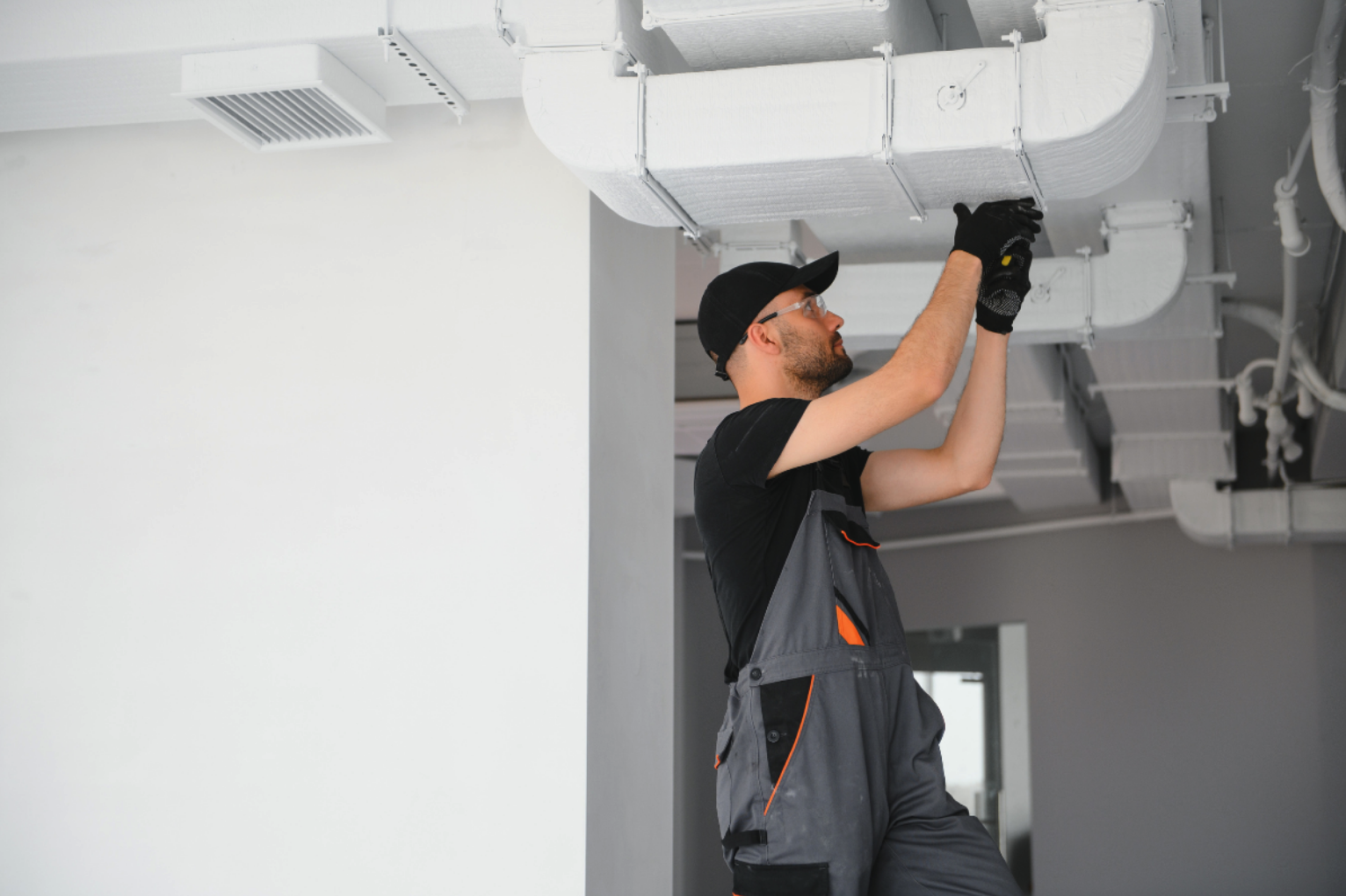
A proper HVAC maintenance visit starts with a full visual inspection of your system’s major components. A technician will look at your burners, the heat exchanger, and the blower assembly. These parts handle the most workload during winter and show early signs of wear first.
From there, they’ll do airflow checks. This includes inspecting the furnace filters, measuring airflow, and looking for restrictions inside the system. Poor airflow forces furnaces to work harder than necessary and shortens component life.
An electrical system inspection plays an equally important role. This part of the process includes checking wiring connections, control boards, safety switches, and relays. If you have loose or worn electrical components, it can cause your furnace to shut down during peak heating months.
Next is the cleaning phase. Dirt and buildup can affect the flame sensors, burners, and blower components, causing false shutdowns and overheating issues.
Any good technician will finish the job by running the system and confirming that it’s operating safely and efficiently.
All of these steps are meant to be preventative, so you don’t have to deal with so many repairs as time goes on.
How Maintenance Prevents Repairs
Early Detection of Small Problems
Most furnace failures start out small. You might have a loose wire that vibrates out of position or a worn belt. Maybe one of your sensors has just drifted out of range. The good news is that none of these problems costs much to fix on their own.
With a maintenance visit, you can catch these issues early and fix them while they’re affordable.
Emergency HVAC repairs happen when these small problems grow unchecked.
Reduced System Strain
Furnaces break down faster when they operate under constant strain. A dirty furnace filter can restrict your system’s airflow. Dust buildup can reduce your blower’s efficiency. Burners with gunk on them might struggle to produce heat evenly.
The worse these issues get, the harder and longer your furnace has to run to heat your home. This can overheat your motors and put excess stress on your heat exchangers.
A furnace with clean components and proper airflow, on the other hand, operates beautifully. And any system that runs as such will break down less often.
Electrical and Safety Checks Prevent Shutdowns
Electrical problems like loose connections, worn relays, failing safety switches, and control board issues cause a large percentage of furnace failures.
With a routine electrical system inspection during maintenance visits, you can identify these problems sooner rather than later. It’s easy for a technician to tighten a loose connection or test safety devices to confirm they’re operating properly.
Unfortunately, most electrical issues won’t give you obvious warnings. It’s usually up to a maintenance professional to find and diagnose them
The Real Benefits of Regular Maintenance
Fewer Unexpected Repairs
Routine HVAC maintenance directly reduces emergency HVAC service calls. Systems that get consistent service fail less often during winter.
Industry research from organizations like NADCA shows that preventive maintenance reduces breakdown frequency during peak heating season. Considering the fact that emergency repairs cost more and take longer to schedule when demand spikes, paying for maintenance to avoid those situations entirely is a pretty good deal.
Lower Energy Bills
A clean, properly adjusted furnace uses less energy to heat your home. The better your airflow, the easier it is for your system to reach the correct temperature.
Studies show that regular maintenance can significantly improve HVAC efficiency. Over an entire heating season, even small gains of 10-15% can reduce energy costs in a noticeable way.
The lower the strain on your system, the less it has to run, which can do wonders for your utility bills.
Longer Equipment Lifespan
Furnaces fail because wear accumulates faster than the components can handle. With maintenance, we slow down the wear-and-tear process.
A clean system will run cooler and put less stress on the heat exchangers and electrical components.
Well-maintained furnaces often operate for years longer than neglected systems installed at the same time.
Improved Safety and Comfort
During an inspection, a technician will identify overheating risks, airflow problems, and early signs of carbon monoxide issues to make sure your home is safe. In doing so, they’ll also make sure your rooms heat more evenly without temperature swings, which can make your home more comfortable.
Warranty Protection
Many furnace manufacturers require documented furnace maintenance for warranty protection. If you don’t get service, you may end up having to pay for repairs that would have otherwise fallen under warranty.
When You Should Schedule Furnace Maintenance
Before you start using your furnace for the season. Get a fall appointment if you can. This will give your technicians time to diagnose and correct any small issues before demand spikes in winter.
With that said, late winter maintenance after months of heavy use can also be helpful.
Overall, consistency is more important than timing alone. If you skip service year after year, you increase failure risk.
DIY Tasks Versus Professional Service
You can handle a few safe tasks on your own, such as replacing your furnace filters regularly or clearing your vents.
However, when it comes to gas checks or heat exchanger evaluations, leave it to the professionals. These tasks require training and specialized tools.
What Happens During a Professional Maintenance Visit
A professional visit includes the following:
Inspection
Cleaning
Safety testing
Airflow evaluation
Thermostat calibration
Most visits take about an hour. The cost is far lower and more predictable than emergency HVAC repairs.
Final Thoughts
Furnace maintenance won’t eliminate every repair forever. However, it will reduce how often repairs happen and prevent emergencies during the coldest weeks of the year.
With regular HVAC maintenance, you can improve your furnace’s efficiency and system life. Schedule professional service before peak winter demand and stay out of the cycle of expensive winter repairs.