HVAC Upgrades for Older Homes in Vancouver, WA
Older homes have a lot of character. From original hardwood floors to custom craftsmanship, they're often built with details you simply don't see in newer construction.
However, many of these homes were also built long before today's heating and cooling systems became the standard.
If your home is 40, 50, or even 100 years old, your HVAC system may be working against the home instead of with it. Drafty windows, aging insulation, older ductwork, and changing building standards can all make it harder to stay comfortable throughout the year.
Fortunately, upgrading your HVAC system doesn't always mean tearing your home apart. In many cases, strategic improvements can make a significant difference in comfort, energy efficiency, and long-term operating costs.
Here's what homeowners should know before upgrading an HVAC system in an older home.
Why Older Homes Have Different HVAC Challenges
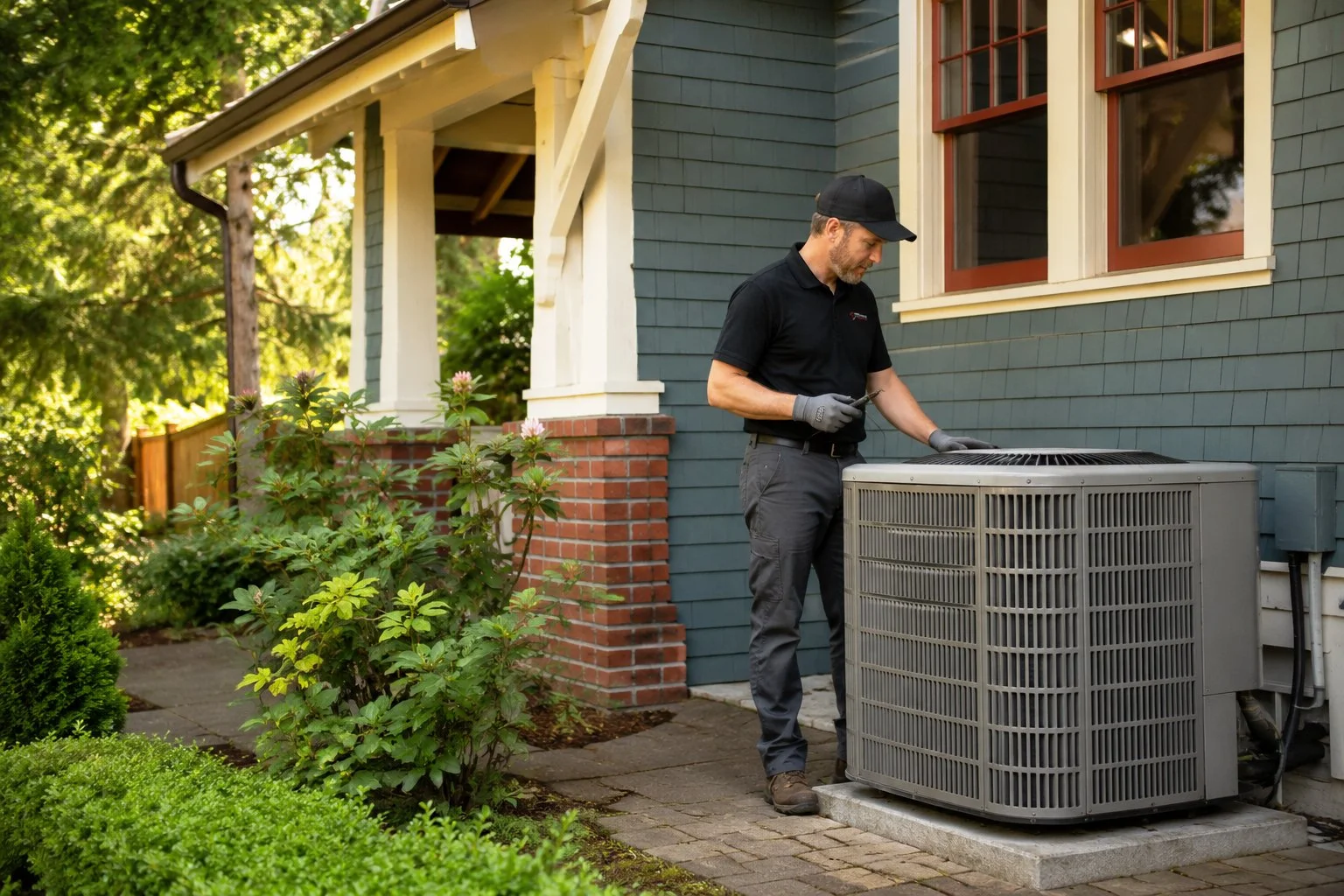
Most older homes weren't designed around today's heating and cooling equipment.
Many were originally heated with boilers, wood stoves, or gravity furnaces. Air conditioning was often added decades later, sometimes using existing ductwork that wasn't designed for modern airflow requirements.
Over the years, homes also change. Additions are built, walls are moved, insulation settles, and windows are replaced. While these improvements can benefit the home, they often create an HVAC system that no longer matches the home's current layout.
As a result, homeowners commonly experience:
Rooms that never seem comfortable
Uneven temperatures between floors
Rising utility bills
Weak airflow
HVAC systems that run longer than they should
These aren't always signs that your equipment has failed. Often, they're symptoms of a home and HVAC system that no longer work efficiently together.
Common HVAC Problems in Older Homes
Many comfort issues develop gradually over time. Homeowners often adapt to them without realizing the system isn't performing as well as it should.
Here are some of the most common problems we see in older homes throughout HVAC Vancouver Washington service areas.
Uneven Heating and Cooling
One room feels comfortable while another is too warm or too cold.
Upstairs bedrooms often stay hotter during summer, while rooms over garages or near exterior walls can be harder to heat during winter.
These comfort problems usually result from a combination of airflow restrictions, insulation differences, duct layout, and thermostat placement rather than a single equipment issue.
Aging Ductwork
Older duct systems can develop leaks, loose connections, or deteriorating insulation.
When conditioned air escapes into the attic, crawlspace, or basement instead of your living space, your HVAC system has to work much harder to maintain the temperature you've selected.
A professional duct inspection can determine whether sealing or repairing the duct system would improve comfort before replacing expensive equipment.
Reduced Airflow
Older blower motors, dirty evaporator coils, clogged filters, and undersized return ducts can all reduce airflow.
Restricted airflow often causes:
Longer heating and cooling cycles
Higher utility bills
Rooms that never reach the desired temperature
Additional wear on the HVAC system
Many homeowners assume the equipment needs replacement when restoring proper airflow may significantly improve performance.
Is Your Existing HVAC System Still the Right Size?
One of the biggest misconceptions homeowners have is that replacing an old system with the exact same size is always the right decision.
Unfortunately, that's not always true.
Your home may have changed significantly since the original equipment was installed.
Perhaps you've:
Finished a basement
Added a family room
Replaced windows
Installed new insulation
Remodeled portions of the home
Each of these improvements changes the heating and cooling requirements.
That's why reputable residential HVAC Vancouver contractors perform a load calculation before recommending new equipment.
Installing an oversized system can cause short cycling, uneven temperatures, and poor humidity removal.
Installing an undersized system often leads to long run times, higher operating costs, and reduced comfort during Vancouver's hottest and coldest days.
Proper sizing is one of the most important parts of any HVAC upgrade.
Should You Replace Your Ductwork?
Not necessarily.
Many older duct systems can continue performing well after professional sealing and repairs.
During an inspection, technicians typically look for:
Air leaks
Damaged insulation
Crushed or disconnected ducts
Improper airflow
Restricted return air
Sometimes duct improvements provide a bigger comfort improvement than replacing the HVAC equipment itself.
However, if the ductwork is severely deteriorated or wasn't designed properly, replacement may provide better long-term performance.
Every home is different, which is why a complete system evaluation is important before making a major investment.
Heat Pumps Are Becoming a Popular Upgrade
Heat pumps have become one of the most popular HVAC upgrades for older homes throughout the Pacific Northwest.
Modern heat pumps provide both heating and cooling using a single system. They operate very efficiently during much of the year.
If your home already has ductwork, a traditional split system HVAC Vancouver homeowners rely on can provide efficient, whole-home heating and cooling. For homes without existing ductwork, ductless mini split Vancouver systems can often deliver excellent comfort without the need for major renovations.
For many homeowners, they offer:
Lower energy consumption
Improved year-round comfort
Quieter operation
Consistent indoor temperatures
If your current equipment is reaching the end of its lifespan, Vancouver heat pump installation may be worth considering as part of your replacement options.
For homes without existing ductwork, ductless mini split Vancouver systems can often provide efficient heating and cooling without the expense of installing an entirely new duct system.
A professional evaluation can help determine whether a traditional split system, heat pump, or ductless system is the best fit for your home's layout and comfort goals.
Improving Efficiency Without Major Renovations
Not every older home needs a complete HVAC replacement to become more comfortable. In many cases, a few targeted improvements can make a noticeable difference in both comfort and energy efficiency.
One of the best places to start is with insulation. Adding insulation in the attic or sealing gaps around attic hatches, recessed lighting, and exterior penetrations can reduce unwanted heat gain in summer and heat loss during winter.
Air sealing is another worthwhile upgrade. Small air leaks around doors, windows, plumbing penetrations, and electrical outlets may not seem significant individually, but together they can make your HVAC system work much harder than necessary.
If your home already has ductwork, duct sealing can also improve performance. Even small leaks allow conditioned air to escape before it reaches your living space, reducing airflow and increasing operating costs.
Finally, upgrading to a programmable or smart thermostat can improve comfort while helping your system operate more efficiently throughout the day.
These improvements often cost far less than replacing an HVAC system and can significantly improve the performance of your existing equipment.
Signs It's Time for an HVAC Upgrade
Even a well-maintained HVAC system won't last forever.
If your equipment is reaching the end of its expected lifespan, replacing it may become more cost-effective than continuing to invest in repairs.
Some common signs include:
Your system is 15 to 20 years old.
Repairs are becoming more frequent.
Utility bills continue to increase.
Some rooms never feel comfortable.
Your HVAC system runs almost constantly.
Replacement parts are becoming difficult to find.
Older systems also tend to be much less energy efficient than today's equipment.
If you're already considering furnace replacement Vancouver WA or planning a future cooling upgrade, it's worth having your entire system evaluated before replacing individual components.
Sometimes a complete system upgrade provides better comfort, lower operating costs, and fewer future repairs than continuing to repair aging equipment.
Professional HVAC Evaluation for Older Homes
No two older homes are exactly alike.
That's why the best upgrade starts with a complete evaluation rather than guessing which equipment to install.
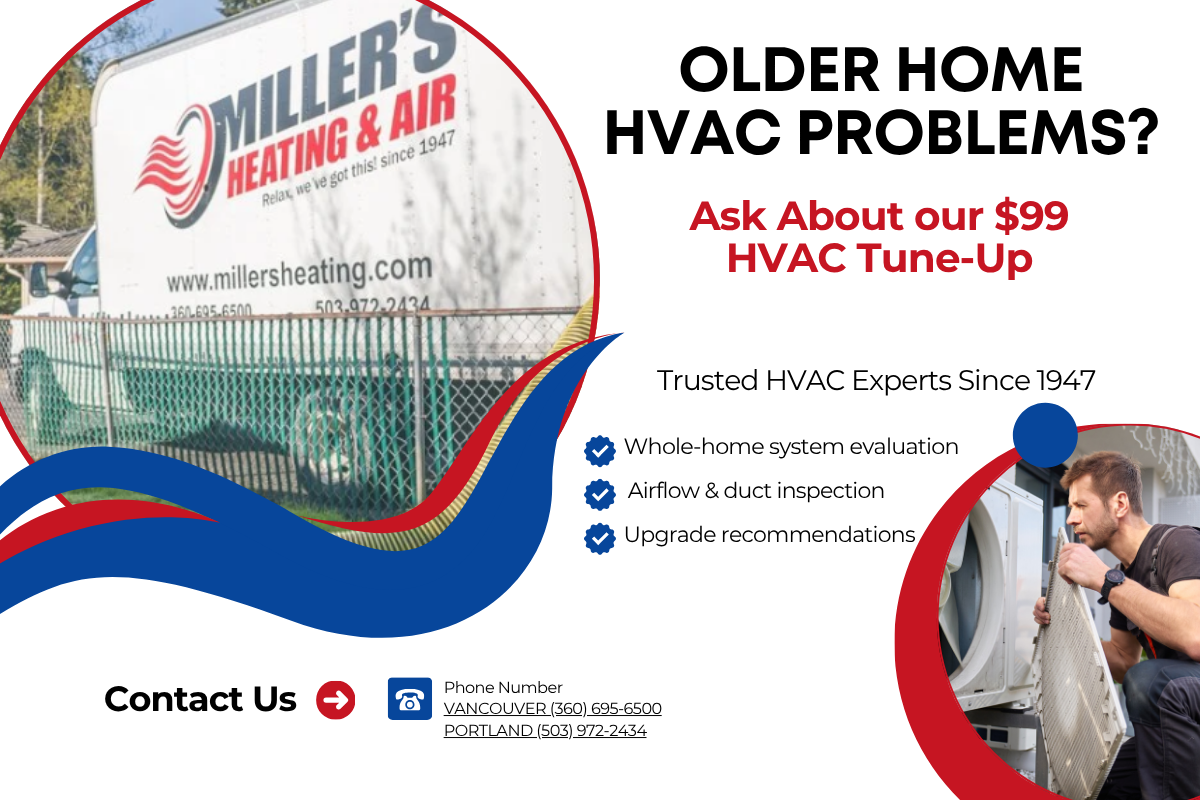
A professional inspection typically includes:
Evaluating the condition of your current HVAC equipment
Measuring airflow throughout the home
Inspecting ductwork for leakage or restrictions
Reviewing insulation and heat gain concerns
Checking electrical components and system performance
Discussing your comfort goals and budget
From there, your technician can recommend solutions that fit both your home and your long-term plans.
Sometimes the answer is routine HVAC maintenance Vancouver WA. Other times, improving airflow or repairing ductwork solves the problem. In some cases, replacing aging equipment offers the best long-term value.
The goal isn't simply selling new equipment—it's helping your home become more comfortable and efficient.
The Bottom Line
Older homes offer charm, character, and craftsmanship that many homeowners love. However, they also present unique heating and cooling challenges that modern HVAC systems must overcome.
The good news is that improving comfort doesn't always require major renovations. Proper system sizing, duct improvements, better insulation, regular maintenance, and newer high-efficiency equipment can all make a noticeable difference.
If your home struggles with uneven temperatures, rising utility bills, or an aging heating and cooling system, a professional evaluation can help identify the most effective improvements for your home.
Whether you need repairs, maintenance, or a complete HVAC upgrade, Miller's Heating & Air can help you choose the right solution for your home and budget.
Frequently Asked Questions
Can an older home have central air conditioning?
Yes. Many older homes can support central air conditioning, although some may require ductwork modifications or equipment upgrades. Homes without existing ductwork may also be good candidates for ductless mini-split systems.
What's the best HVAC system for an older home?
The best system depends on your home's layout, insulation, existing ductwork, and comfort goals. Heat pumps, traditional split systems, and ductless mini-split systems are all excellent options depending on the situation.
Is replacing ductwork always necessary?
No. Many duct systems can be sealed or repaired instead of replaced. A professional inspection can determine whether your existing ductwork is still performing efficiently.
How long should an HVAC system last?
Most residential HVAC systems last approximately 15 to 20 years with proper maintenance. Older equipment often becomes less efficient over time, even if it's still operating.
Can HVAC upgrades lower my energy bills?
Yes. Improving airflow, sealing ductwork, upgrading insulation, installing high-efficiency equipment, and scheduling regular maintenance can all help reduce heating and cooling costs.
Miller's Heating & Air is dedicated to providing the best HVAC solutions for every home, especially the charming, historic homes of Vancouver, WA. Our expertise in modern and efficient systems from brands like Lennox and Mitsubishi ensures your home is in good hands.