Why Small HVAC Problems Get Worse Over Time
Most of the time that HVAC systems break down, it’s not all at once. It is typically an evolving problem.
You might start to notice small inefficiencies over time. Airflow might get worse, or there’s a bit more strain on your motor than usual. Sometimes, issues show themselves because the weather changes and temperatures spike or plunge.
HVAC problems get worse over time because of compounding strain. What might start as a minor problem can get worse if it isn’t taken care of.
If you want to prevent HVAC breakdown and avoid emergency HVAC repair, it’s important to know how those problems develop in the first place.
The Truth About HVAC Breakdowns
Extreme heat and cold don’t just create issues on their own. They expose weaknesses that were already there.
Your system may run fine for months, and all the while, something small is developing internally. You might not notice poor airflow or a slight delay in heating.
The thermostat still hits the set temperature. No loud noises. No smoke. So you assume everything is fine.
Then the next cold snap or heat wave comes around, and the system starts running longer, your electrical bill is through the roof, and you start noticing unusual sounds or smells.
This is why HVAC systems fail in the middle of peak season.
How Minor Issues Begin
Small HVAC problems turning serious usually start with something that you can fix on your own, such as a dirty filter.
Dirty filters restrict airflow, which makes the system work harder and the motor run longer.
Some other common minor issues that compound include:
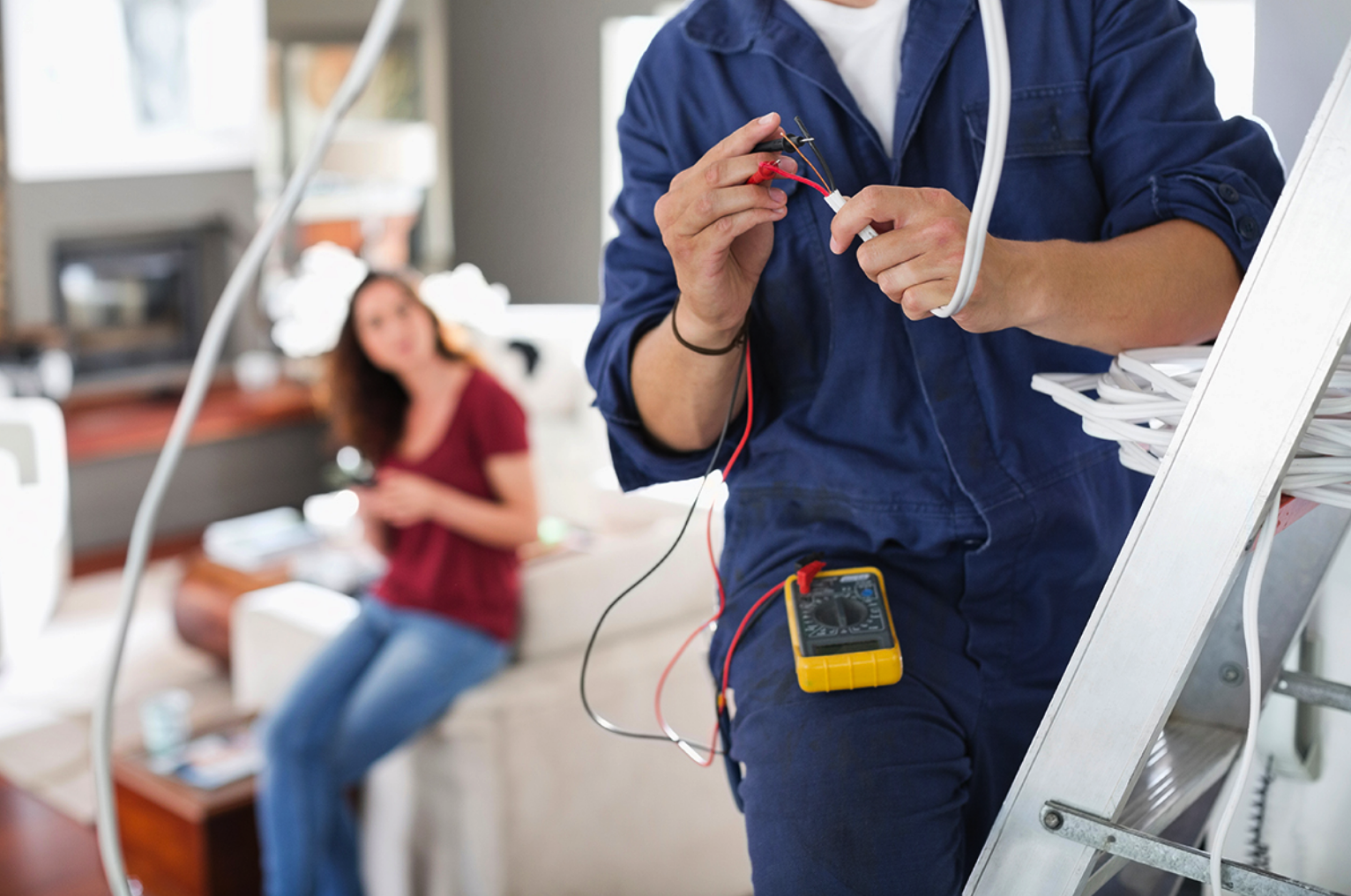
Loose electrical connections: These create resistance, which creates added heat that damages internal components over time.
Slight refrigerant loss: Lowers cooling efficiency. The system runs longer to compensate, which puts it under stress.
Worn belts or aging motors: Operate slightly less efficiently each season.
These are common HVAC system problems that don’t often feel urgent at first.
The Strain Effect on HVAC Systems
Once minor issues start, strain builds. The system takes longer to hit the set temperature. You might notice it takes more time to warm up or cool down the house. That extra runtime pushes everything harder.
Then, short cycling kicks in. The system turns on, shuts off, then fires back up over and over. Electrical parts heat up and cool down rapidly, which wears them down.
Overheating components can trigger safety shutoffs. Blowers keep running to cool things down inside. You might hear the fan going even after the heat stops.
Over time, electrical stress adds up, wires get warm, relays weaken, and capacitors strain from constant starting and stopping.
HVAC system strain like this often builds quietly.
Why Homeowners Miss Early HVAC Warning Signs
Most early signs of HVAC failure don’t feel like something you need to call a technician about right away.
The system still works. It still heats and cools. The thermostat shows the right temperature, and you don’t hear loud banging or grinding noises.
You might notice slightly higher energy bills, but it’s easy to blame the weather. You might hear a faint noise but assume it’s normal.
Because these signs often blend into daily life, they’re easy to ignore.
By the time obvious symptoms appear, the system has already absorbed weeks or months of strain.
What Happens When Small Issues Snowball
Small problems almost never stay small. Restricted airflow forces the system to run longer, which increases energy use and drives up your bills. That extra runtime also puts more wear on motors and internal components.
Loose electrical connections might seem harmless at first, but over time, they can arc, overheat, or fail completely. One weak relay can shut the entire system down.
Short cycling makes things worse by stressing multiple parts at once, so instead of replacing one inexpensive component, you may end up replacing several.
Most emergency breakdowns aren’t caused by a single failure. They’re the result of a chain reaction that’s been building for weeks or months.
As strain increases, safety risks increase too. Overheating can damage wiring insulation, and ongoing electrical stress can trip breakers repeatedly.
How Preventative Maintenance Stops Escalation
HVAC maintenance prevents repairs by interrupting the chain reaction early.
A technician can spot airflow restrictions before overheating or tighten electrical connections before resistance causes damage. They also measure refrigerant levels to keep the system running efficiently.
Restoring proper airflow immediately takes pressure off the system. When coils are clean, and filters are fresh, the equipment can move air the way it was designed to, instead of fighting against resistance.
During maintenance, electrical testing can also uncover weak relays or aging capacitors before they fail and shut everything down. When you reduce internal strain, you help the equipment last longer and run more efficiently.
Energy use drops, and the odds of a minor issue snowballing into something where you can’t avoid emergency HVAC repair go down significantly.
Preventative service won’t stop normal wear over time, but it does keep that wear from costing you a ton.
When to Call a Professional
Repeated minor symptoms shouldn’t get brushed off. If your system seems to run longer each season, if a breaker trips once in a while, or if airflow feels weaker than it used to, those are signs your HVAC needs service.
Subtle performance changes usually point to early trouble. It makes far more sense to call before peak season hits. Waiting until the coldest or hottest week of the year only raises the risk of a full breakdown. If you suspect strain building inside the system, schedule an inspection before it turns into something bigger.
The Bottom Line
HVAC problems often get worse over time because systems keep absorbing strain until something finally gives.
Regular service lowers the risk of multiple part failures and sudden outages during peak season.
Remember, small repairs almost always cost less than emergency HVAC repair, and that pattern repeats every year. If your system shows subtle warning signs, it makes more sense to deal with them now instead of letting them grow into something expensive.
Frequently Asked Questions
Do HVAC systems really fail without warning?
Most systems show subtle early signs, like changes in runtime, airflow, or noise.
How long can I ignore a small furnace issue?
There is no exact timeline, though minor issues are often worse during heavy use. The longer the strain continues, the higher the risk of failure.
Why does my system still run if something is wrong?
HVAC systems are designed with safety tolerances. They can operate under strain for a while, though it doesn’t mean everything is healthy inside.
Can skipping maintenance cause a full breakdown?
Yes. Without maintenance, you run the risk of airflow restrictions and electrical wear. That strain increases the chance of emergency failure.
What’s the most common small issue that turns serious?
Dirty filters and restricted airflow. They seem minor but create overheating and strain that affect multiple components.