What Happens If HVAC Drain Lines Clog?
A clogged AC drain line can be a serious problem, even if it doesn’t sound like one. Your HVAC system pulls moisture out of the air during cooling, and that moisture has to go somewhere.
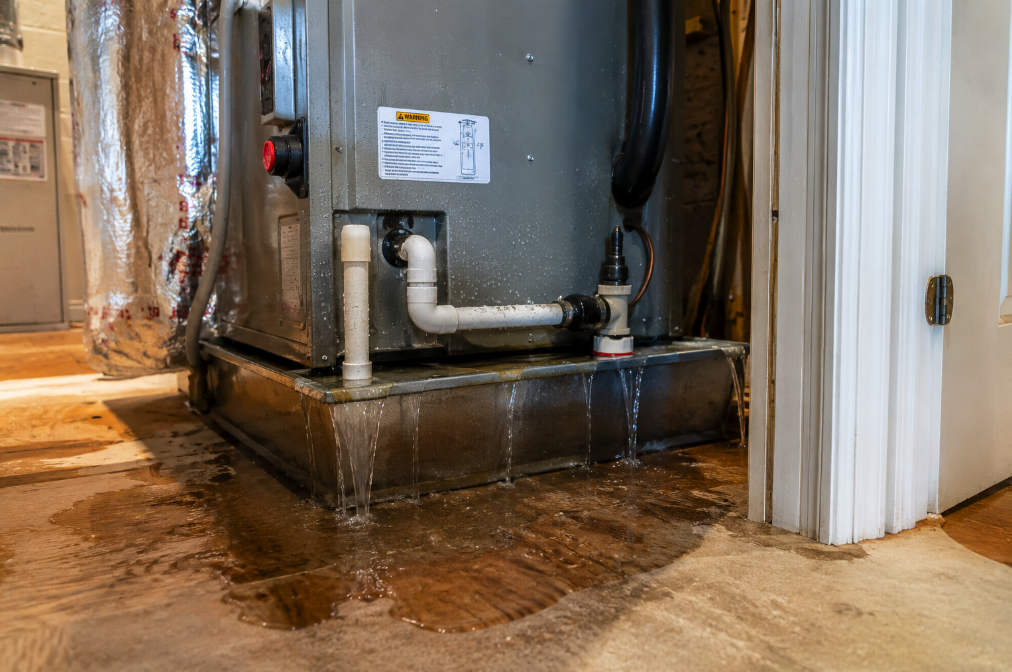
When the condensate drain line is clogged, water can back up into the system and overflow into nearby areas, creating a perfectly damp environment for mold and odors.
Here’s what homeowners should know about HVAC drain line backups and when to call for service.
What HVAC Drain Lines Actually Do
Beyond keeping the air cool, your air conditioner also removes humidity.
As warm indoor air passes over the evaporator coil, moisture collects on the coil and drips down into a condensate pan. From there, water flows into the drain line before leaving the system.
That drainage setup usually includes:
An evaporator coil that pulls moisture from indoor air
A condensate pan that catches the water
A drain line that carries the water away from the system
In some systems, a safety switch to shut the unit down if the pan starts filling
When everything works properly, you don’t even notice it.
Common Causes of HVAC Drain Line Backup
Drain lines clog because HVAC systems naturally collect moisture, dust, and biological buildup over time. Even a well-functioning air conditioner can create the right conditions for a blockage If regular maintenance is neglected.
Dust and Debris Buildup
Dust, dirt, and small debris can collect in the condensate pan and drain line. If the air filter is dirty or there’s insufficient airflow in the system, more debris can enter the indoor unit.
Over time, that buildup can narrow the line until water no longer drains correctly.
Algae and Slime Growth
A damp, dark drain line is the perfect place for algae and slime to grow. Once that buildup starts sticking to the inside of the pipe, it can trap more debris and create a full blockage.
Mold In Drain Lines
When there’s moisture buildup in your drain lines, it creates a breeding ground for mold. That can also make your home smell bad and contribute to poor indoor air quality.
Lack of Maintenance
Without periodic cleaning, flushing, and inspection, a small buildup inside the line can slowly cause a clogged drain.
Warning Signs of a Clogged Drain Line
Luckily, there are usually a few warning signs that come before a clogged drain line.
Water Near the Indoor Unit
If you notice your AC leaking water near your furnace or around the indoor air handler, the condensate system should be one of the first things you check.
Musty Odors
A musty smell from AC vents can point to moisture sitting where it shouldn’t be. Sometimes the smell comes from the drain line. Other times, it may be related to the coil, ductwork, or nearby insulation that has absorbed moisture.
AC Shutting Down Unexpectedly
Many systems have an overflow safety switch that shuts the unit off when water backs up. This protects your home from water damage.
But if your cooling system shuts down and the condensate pan is full, a clogged drain line may be the reason.
Visible Moisture Around Vents
If you see moisture around your vents, it’s probably because you have issues with your airflow, condensation on your ducts, or issues with drainage. If you also notice odors or water near the indoor unit, it’s a good idea to get the drainage system inspected.
Why Clogs Become Bigger Problems
A clogged AC drain line can affect your HVAC system, your home, and your indoor air quality.
Water Damage Risks
If the pan overflows, water can damage your flooring, drywall, insulation, cabinets, ceilings, or nearby mechanical equipment. In some homes, the indoor HVAC components sit in a basement, attic, closet, garage, or utility room, so a leak may go unnoticed until the damage spreads.
Don’t ever underestimate the damage an overflowing condensate pan can do.
Mold Growth
Standing water and damp materials can create conditions where mold grows. If moisture sits near the air handler or ductwork, odors may travel through the system when the fan runs.
Higher Indoor Humidity
If the system isn’t draining correctly, it might not be able to manage moisture properly. That also might be why your house feels sticky or stale, even if the thermostat says the temperature is where it should be.
Safety Switch Shutdowns
Overflow safety switches are helpful because they can stop water from spilling everywhere. But if your system keeps shutting off because the drain line is blocked, that’s a problem.
Why Vancouver Homes See Moisture Issues
We get plenty of seasonal moisture here in Vancouver.
During the cooling season, your AC may run long enough to pull steady moisture from the air. If the drain line is already partially restricted, that extra condensate can create a backup.
Pair that with damp seasonal weather, aging HVAC equipment, dirty filters, indoor humidity, and long cooling cycles during the summer
What Homeowners Can Safely Check
You don’t need to take apart your HVAC system to look for basic warning signs.
Check the Drain Pan
Look for standing water in or around the condensate pan. A small amount of moisture may be normal depending on the setup, but a pan that’s full, overflowing, or repeatedly wet points to a drainage issue.
Look for Visible Blockage
If part of the drain line is visible, check for obvious buildup or dripping water. Just don’t force anything into the line or try to push the clog deeper.
Check the Air Filter
A dirty air filter can reduce airflow and contribute to moisture problems inside the system. If the filter is packed with dust, replace it and monitor whether the system improves.
That said, replacing the filter won’t clear a clogged drain line that is already backed up.
What Not to Do
It’s easy to make things worse with the wrong fix.
Avoid forcing wire, tools, or high pressure into the line unless you know exactly what you’re doing. You can damage the line or create a leak at a connection point.
Also, don’t keep running the AC if water is leaking around the indoor unit. More runtime means more condensation, and that can make the leak worse.
How HVAC Maintenance Helps Prevent Drain Problems
With routine AC maintenance, you can help prevent a clogged drain line.
A technician can come check the drainage system along with the rest of your inspection, which typically includes:
Flushing the drain line
Inspecting the condensate pan
Cleaning the evaporator coil
Checking for moisture
Testing for airflow
Inspecting the filter
Testing the overflow safety switch
When to Call for HVAC Service
Call for HVAC service if you notice water around the indoor unit or a musty smell that keeps coming back. The same goes if your AC system is shutting down unexpectedly.
You should also schedule service if you see that your condensate pan is overflowing, or if your drain line has backed up more than once.
Schedule AC Service Today
A condensate drain line that’s clogged might seem like a small issue, but it can snowball into serious water damage or system failure problems if it isn’t dealt with.
If you're noticing water leaks, musty odors, or repeated system shutdowns, schedule HVAC service before a small drainage issue turns into costly water damage.