Signs Your HVAC System Is Near the End
We don’t see many HVAC systems that simply stop working overnight.
They wear down a bit over time. You might notice less comfort, weaker airflow, or that the system is cycling longer. You may even notice that you’re making the same repairs over and over again.
How to Know If Your HVAC System Is Near the End of Its Life
Before long, you start wondering if it’s worth fixing again or if you’re getting close to the end.
Knowing where your system stands is the best way to avoid a full breakdown in summer or winter when you need it most.
The Average Lifespan of HVAC Systems
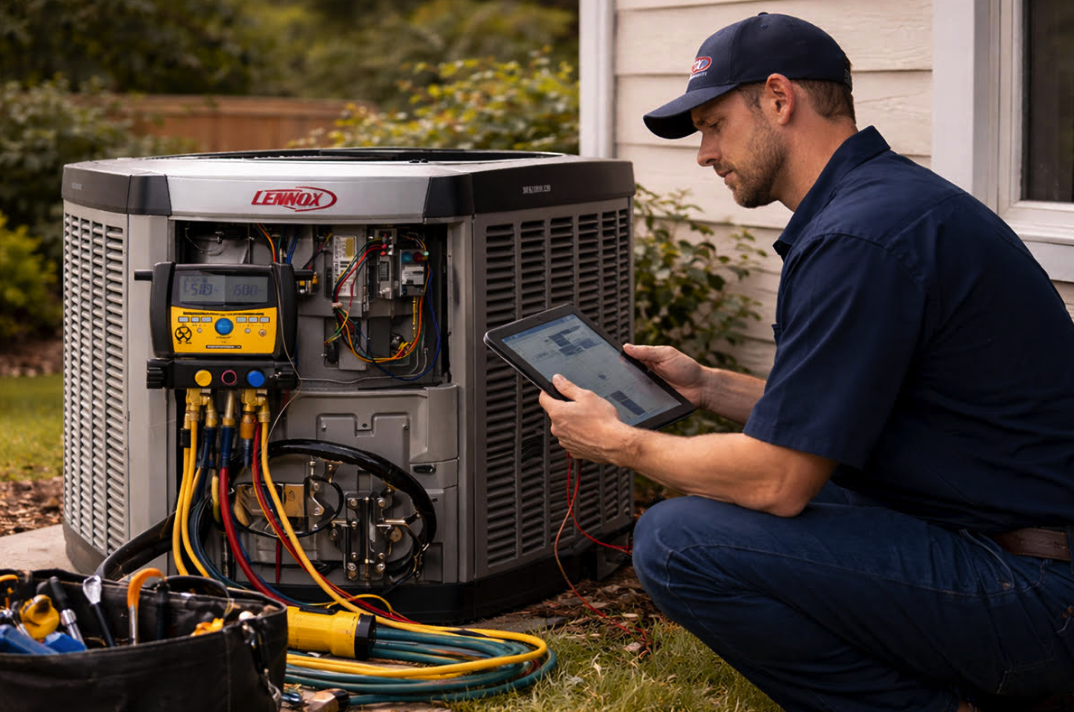
One of the most common questions homeowners ask is how long HVAC systems last, especially when repairs start becoming more frequent.
Generally, air conditioners last about 12 to 15 years. Heat pumps fall into a similar range, sometimes a bit shorter, depending on how often they run. Furnaces usually last longer, often 15 to 20 years.
That’s all assuming you’re using them regularly and getting regular maintenance.
In the Pacific Northwest, systems tend to run longer seasons. Heat pumps in particular don’t get much of a break since they handle both heating and cooling. Over the years, that extra runtime adds up.
HVAC Maintenance also plays a role here. A system that gets checked annually can stretch closer to the upper end of its lifespan.
Warning Signs Your System Is Aging
If you notice some of the signs below, it’s likely that your HVAC is on its way out.
Increasing Repair Frequency
One of the clearest aging HVAC system warning signs is how often you’re calling for service.
If you’ve had multiple repairs within the same year, especially during the same season, it’s probably because components are wearing out across the system.
One of your capacitors might have failed. There might be an issue with your blower. Maybe something electrical needs attention.
At that point, it’s a big problem. You’re paying to maintain a system that’s starting to break down piece by piece.
Rising Energy Bills
A system doesn’t have to fail to cost you more.
As equipment ages, the system gets less efficient. Your motors have to work harder to keep up, and heat transfer becomes less effective.
You may not notice it right away, but you may notice higher utility bills.
If nothing else in your home has changed and your energy costs keep climbing, your HVAC system is likely working harder than it used to.
Declining Comfort
You might notice some of the rooms in your house are now running a little warmer or cooler than the rest of the house. The system might take longer to reach the set temperature, or airflow feels weaker than it used to.
As individual issues, these aren’t the most urgent. Together, however, they point toward a system that’s starting to fail.
Treat them as signs your HVAC system needs replacement.
System Age
Once a system crosses the 12–15-year mark, a few things start working against you.
Efficiency standards have improved, so older systems fall behind newer models. Replacement parts become harder to find, and some components get discontinued entirely.
At that point, even a basic HVAC system repair can turn into a larger, more expensive job simply because the parts aren’t readily available.
Repair vs. Replace: When Replacement Makes Sense
There’s no single indicator that repair isn’t the right choice. It’s usually a combination of factors.
Major component failure is often the tipping point.
If the compressor fails in an AC system, that’s expensive to fix. The same goes for major electrical issues or repeated control board failures.
When you’re looking at a repair that costs almost as much as the value of the system, replacement starts to make more sense.
This is especially true if the system is already older.
Many homeowners ask when to replace an old air conditioner. The answer usually comes down to age, repair history, efficiency, and the cost of the next major repair.
We always tell them that if they’ve already invested in multiple repairs and another one comes up, it’s worth stepping back and looking at the bigger picture.
Benefits of Replacing an Aging HVAC System
Replacing a system can completely change how the home feels.
Newer equipment runs better. It cycles more consistently and provides better airflow because components are designed to work together without strain.
Newer systems also often operate more quietly than older systems.
But best of all, you get reliability. You stop wondering whether the system will make it through the next heatwave or cold snap.

When to Schedule an HVAC Inspection
If your system is getting older or showing some of these signs, it’s worth having it evaluated.
With an inspection, you can get a better picture of where things stand.
A technician will be able to check the overall condition of your system, identify worn components, and estimate how much life the system has left.
That information helps you plan rather than guess.
Many homeowners schedule HVAC service in Vancouver, WA, once a year, both for maintenance and to stay ahead of potential problems.
If you’re already noticing changes in the performance of your system, it’s a good time to schedule HVAC repair here in Vancouver, WA, to confirm whether the issue is minor or part of a larger trend that your HVAC system may be nearing the end of its service life.
Working with experienced HVAC contractors in Vancouver, WA, gives you a more accurate read on whether repair or replacement makes sense.