
Protect Your HVAC System With Whole-Home Surge Protection
People usually think surges only happen during lightning strikes, but in reality, they happen constantly. Grid switching, transformer resets, nearby outages, and even big appliances in your own home can send voltage spikes through your panel. Unfortunately, those spikes can do a real number on modern HVAC systems.
That’s why whole-home surge protection is one of the smartest upgrades you can make if you want your heating and cooling system to last.
Why Surge Protection Matters for Vancouver Homeowners
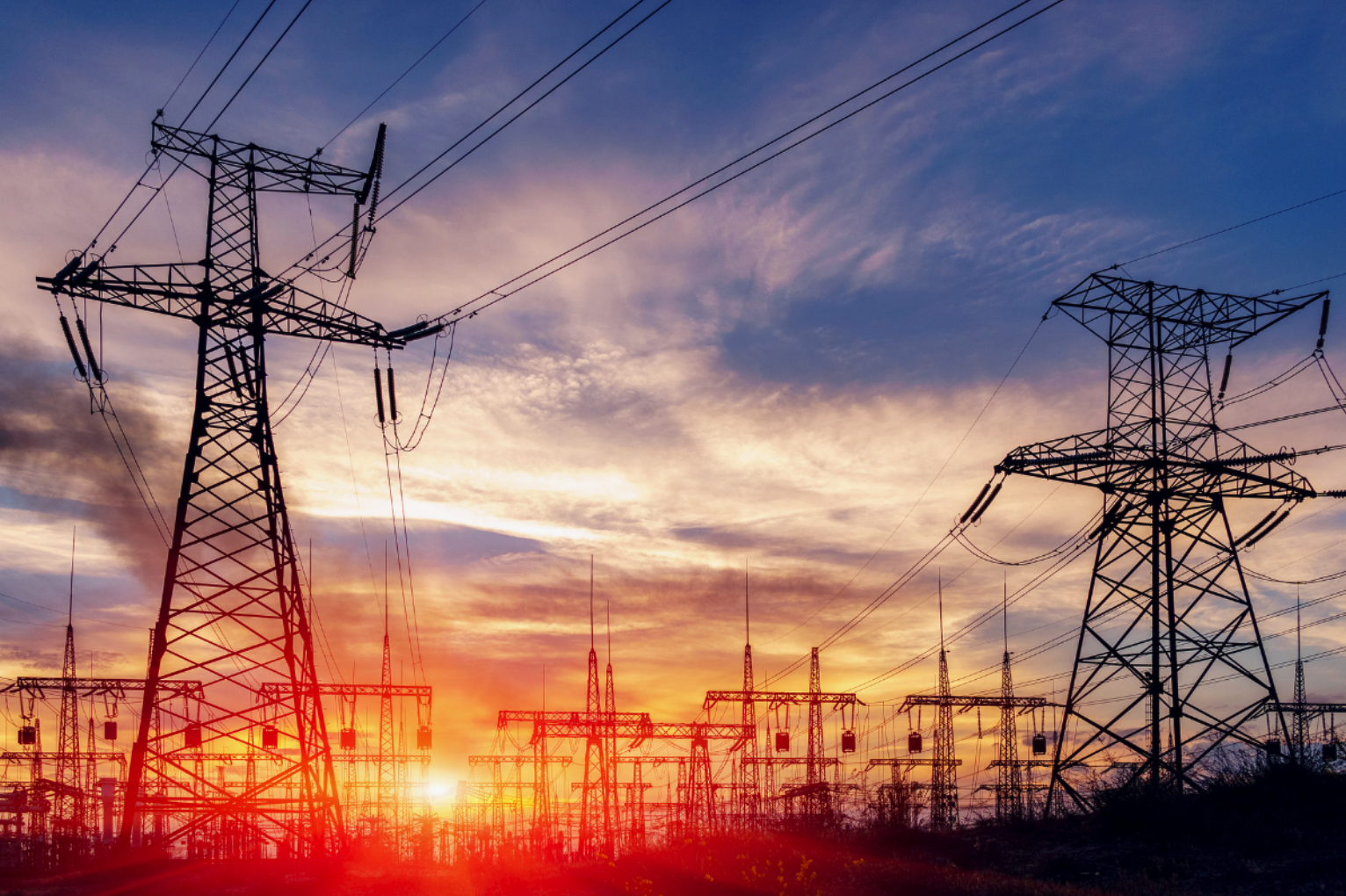
Vancouver and the surrounding area get absolutely hammered with windstorms and freezing rain. It’s pretty common to see tree branches falling down or saturated ground tearing out power lines. Even on a calm night, a sudden grid switch or transformer reset can send a spike straight into your house.
Most people don’t realize this, but many surges occur internally. Your fridge, dryer, microwave, and heat pump can send small voltage spikes through the system. On their own, they’re not usually dangerous, but they add up over time.
This is why surge protection in Vancouver, WA, is such a big deal. Our homes go through electrical mayhem in winter, and modern HVAC systems just aren’t built like the old mechanical units from the 1970s.
Smart thermostats, communication boards, variable-speed motors, and defrost boards, all of which do wonders for the comfort and efficiency of our homes, are extremely vulnerable to power fluctuations.
How Power Surges Damage HVAC Equipment
A power surge is basically a sudden blast of electricity that pushes more voltage through your system than it’s designed to handle. And your HVAC equipment has some of the most sensitive electronics in your whole house.
Sensitive HVAC Components at Risk
Your furnace and heat pump rely on parts that don’t play nicely with sudden voltage spikes. Some parts, such as furnace control boards or blower motors, can get fried instantly. Sometimes the damage from a furnace control board surge is evident, like your furnace won’t turn on. Other times it’s subtle, like your heat pump is running but not heating your home.
If a power surge has caused HVAC damage, it’s time to invest in control board and heat pump electrical safety.
Signs a Surge Has Damaged Your System
If your system was working perfectly before the last power blip and suddenly shuts down immediately or blows cold air, that’s a dead giveaway. Burning smells or buzzing sounds are also big red flags. Anytime you notice your system ignoring your thermostat completely, that’s another sign that something electronic got hit.
What Whole-Home Surge Protection Actually Does
Most homeowners picture surge strips sitting behind a computer. However, outlet strips only protect the thing plugged into them. Your HVAC system doesn’t plug into a strip. It’s hardwired. That means it’s completely unprotected from surges unless you have a device at the panel.
A whole-home surge protector sits at your main electrical panel and blocks dangerous voltage spikes before they can reach your furnace, heat pump, AC, fridge, TVs, computers, and everything else.
It’s a simple device, but it protects the most expensive equipment in your home, including your HVAC system.
HVAC Systems Are More Vulnerable Than Ever
Back in the day, furnaces were basically composed of a motor, a gas valve, and some metal parts. You’d practically need a direct lightning strike to kill one. Modern furnaces and heat pumps are the opposite. They're built with advanced electronics that make them energy-efficient and extremely quiet. Unfortunately, that also makes them really sensitive.
A power surge can instantly take out a control board, and replacing it can cost $400 to $1,200. The worst part is that most of these failures are preventable with a whole-home surge protector.
Why Whole-Home Surge Protection Beats Outlet Surge Strips
Plugging your electronics into surge strips doesn’t mean your house is “protected.” Those strips don’t help the equipment that matters most.
Whole-home surge protection shields everything because it blocks surges at the electrical panel. It can handle large external surges, such as those caused by grid switching or nearby transformer issues.
Surge strips burn out and do nothing for hardwired appliances. Plus, they aren’t strong enough for HVAC systems and offer zero protection for 240V equipment.
How Surge Protection Helps Your HVAC System Last Longer
Your furnace and heat pump rely on delicate circuit boards and motors. If they keep getting hit with mini-surges during storms, they wear out much faster.
With whole-home surge protection, you can make fewer repair calls and get better efficiency year-round. Some manufacturers even recommend surge protection in their warranty guidelines because they know how common surge-related failures are.
What to Expect During a Whole-Home Surge Protector Installation
Miller’s makes installation quick and easy. One of our licensed electricians will install the device directly at the main electrical panel, check grounding and bonding, inspect the HVAC circuits, and test the surge protector to ensure it’s working correctly.
The whole process usually takes less than an hour.
When to Consider Upgrading Your Home’s Electrical Protection
There are a few reasons we’d recommend upgrading your home’s protective system:
Your home still has an older panel
You recently installed a new heat pump or high-efficiency furnace
You went through a rough outage a few weeks ago
You’re upgrading appliances
Any homeowner who wants better electrical safety for their HVAC system should consider it. Winter storms aren’t getting any better, and modern electronics aren’t getting any tougher.
Why Miller’s Electric + Miller’s Heating & Air Is the Best Combo
The best part about choosing Miller’s is that we handle both sides of the equation. Our electricians can handle surge protector installation, while our HVAC techs make sure your furnace or heat pump is running properly afterward.
It’s nice not to have to coordinate between two companies. We understand the quirks of the Vancouver grid and the inner workings of electrical panels and heating systems in the area. One call, and we handle everything safely and correctly.
Final Thoughts: Protect Your Home and HVAC System the Smart Way
Power surges can happen at any time and take a serious toll on your heating system. However, with a whole-home surge protector, you can keep your furnace and heat pump safe from expensive and preventable damage.
If you want better HVAC electrical protection, schedule a surge protection installation with Miller’s Electric. And if you want a full HVAC check at the same time, we can take care of that too.