Inflation Reduction Act Rebates WA & Portland

What Are Inflation Reduction Act Rebates?
The Inflation Reduction Act includes rebates designed to support energy-efficient home upgrades. They also help homeowners transition to clean energy systems.
These incentives include:
Federal tax credit programs
State-administered rebates
Utility-based energy saving programs
Each one works differently.
State or utility programs issue some Inflation Reduction Act rebates. Tax filers apply federal tax credit incentives later when they file their taxes.
For homeowners in Southwest Washington and North Portland, Oregon:
Inflation Reduction Act rebates Washington State programs vary. Your home, household income, utility provider, and project plan determine what you qualify for.
The Department of Energy develops program guidance, but states and utilities implement it.
Why Energy Efficient Home Upgrades Are Increasing
Across Southwest Washington and North Portland, more homeowners are moving forward with energy efficient home upgrades.
This is being driven by:
Rising energy bills
Aging HVAC system performance
Increased electrical demand
Expanded incentive programs
Most older homes were not designed for:
Electrified heating and cooling
High efficiency HVAC system loads
Modern electrical demand
In most homes, upgrades for modern HVAC performance and home electrification need equipment and electrical improvements.
Because of this, people now approach projects as full home improvements, not simple replacements.
In most homes, people complete these upgrades over time rather than all at once.
Energy Efficient Home Upgrades That Qualify for Inflation Reduction Act Rebates
Heating and Cooling Systems
Upgrading your HVAC system is usually the first step.
Common qualifying systems include:
Air source heat pump systems
Ductless mini-split systems
High efficiency HVAC system installations
Air source heat pump systems are one of the most common upgrades tied to Inflation Reduction Act rebates.
In many homes, homeowners replace older air conditioning systems with high-efficiency heat pump systems. These systems:
Provide heating and cooling
Reduce energy use
Improve comfort
Heat pumps are now a common energy-saving upgrade in Washington State and North Portland.
Electrical Panels and Capacity Upgrades
In most homes, electrical panels are the limiting factor.
Many homes still have:
100 amp electrical panels
Limited breaker space
Systems not designed for modern demand
In the field, it is common to find:
Panels that are already full
Not enough capacity for new systems
No dedicated circuits available
Modern systems such as heat pumps and home electrification upgrades require:
Dedicated circuits
Increased electrical capacity
Code-compliant installation
Without upgrading electrical panels, many projects cannot move forward.
Insulation and Air Sealing
Insulation and air sealing play a major role in saving energy.
In homes with poor insulation, the following is often seen:
Heat loss
Uneven temperatures
Higher energy bills
When improvements are made:
System demand is reduced
Comfort improves
Energy saving increases
These upgrades support long-term energy efficiency improvements.
How Much Are Inflation Reduction Act Rebates
Rebate amounts vary based on the home, the project, and the programs available at the time.
In general, homeowners may see:
Federal tax credits of up to 30% of project costs for qualifying energy-efficient upgrades (subject to annual limits and specific equipment requirements)
Utility rebates for high efficiency HVAC systems
Additional state-level rebates once Washington and Oregon IRA programs are fully launched
For income-qualified households, some IRA rebate programs may cover a large part of project costs. In some cases, they may cover most of the total cost. This depends on the project scope and program rules.
Some income-qualified households may also be eligible for larger rebates under upcoming state programs.
Because these programs are still being finalized, exact rebate amounts are not yet consistent.
In most homes, total savings come from combining:
Utility rebates
Federal tax credits
Future state rebate programs
The total amount can vary significantly depending on the scope of work and the home’s existing conditions.
Washington State IRA Home Energy Rebate Programs
Washington State is working on rolling out new Inflation Reduction Act home energy rebates through the Department of Commerce.
These programs help homeowners upgrade to energy-efficient systems and switch to electric equipment, like heat pumps.
HOMES (Whole Home Efficiency Rebates)
This program is based on how much energy your home saves after improvements are made.
It may apply to upgrades like:
Heat pump systems
Insulation and air sealing
High efficiency HVAC systems
HARP (Home Appliance Rebates Program)
This program focuses on switching to electric equipment.
It may apply to:
Heat pumps
Electrical panel upgrades
Electric appliances
Some households may qualify for higher rebate amounts based on income.
Right now, the team is still finalizing these programs, and they are not fully available yet.
Oregon IRA Home Energy Rebate Programs
In North Portland, Oregon, the Oregon Department of Energy is developing similar rebate programs.
These programs also help homeowners improve energy efficiency and upgrade to electric systems.
Two main programs in Oregon state offer these rebates:
HOMES (Home Efficiency Rebates Program)
This program is based on overall energy savings.
It may apply to upgrades like:
Heat pump systems
Insulation and air sealing
High efficiency HVAC systems
HEAR (Home Electrification and Appliance Rebates Program)
This program focuses on upgrading equipment and electrification.
It may apply to:
Heat pumps
Electric appliances
Electrical upgrades needed for new systems
These programs are not available yet. Oregon will roll them out in phases once it completes final approval.
In the meantime, most rebates in North Portland come from programs like Energy Trust of Oregon. They work with local utilities.
What Affects Rebate Eligibility and Savings
Not every home qualifies the same way.
In most homes, eligibility depends on:
Household income
Type of HVAC system installed
Existing electrical capacity
Utility provider requirements
For example, a home may have an older HVAC system. It may also have limited electrical capacity. In that case, it may need extra work before it qualifies for some programs.
In some cases, you can get higher rebates when you meet income thresholds. In other cases, we apply standard rebates.
Because of this, total savings can vary significantly.
How Utility Providers Impact Available Rebates
Utility providers play a major role in determining available incentives.
In both Washington and Oregon:
Programs vary by provider
Requirements may differ
Rebate amounts can change
In many cases, high efficiency HVAC systems such as air source heat pumps are prioritized.
This is because long-term energy savings are a key goal of these programs.
Who Qualifies for Inflation Reduction Act Rebates
Eligibility is based on:
Household income
Equipment installed
Utility provider
Program requirements
Some programs are income-based. Others are more widely available.
How to Apply for Inflation Reduction Act Rebates
In most cases, the process includes:
Completing energy efficient home upgrades
Working with a licensed contractor
Submitting documentation
Receiving rebates through utility or state programs
Federal tax credit programs are applied separately when taxes are filed.
Example: What a Typical Energy Upgrade Looks Like
In most homes, upgrades are completed in stages.
A typical project may include:
Replacing an older HVAC system with a high efficiency heat pump
Completing insulation improvements
Applying for rebates and tax credit programs
This approach allows homeowners to take advantage of incentives over time.
Why Planning Matters More Than the Equipment
In many cases, planning matters more than the equipment itself.
When planning is skipped, the following issues are often seen:
Equipment that does not match the home
Electrical limitations discovered too late
Missed rebate opportunities
When planning is done correctly, better results are achieved.
How Inflation Reduction Act Rebates Fit Into Long-Term Home Improvements
Inflation Reduction Act rebates are most effective when used as part of long-term home improvements.
Rather than focusing on a single upgrade, many homeowners take a broader approach.
This may include:
HVAC system upgrades
Electrical planning
Ongoing energy efficiency improvements
When upgrades are combined, better outcomes are typically seen.
Understanding Incentives in Practice
Federal Tax Credit Programs
Federal tax credit programs help offset costs.
Applied when filing taxes
Annual limits apply
Must meet requirements
State and Utility Incentives
Programs vary by:
Utility provider
Location
Funding availability
Income-Based Programs
Some programs use household income as a basis.
These may offer:
Higher rebate amounts
Additional requirements
Washington State Electrical and Permitting Considerations
Electrical work is regulated at the state and local level.
Most areas fall under Washington State L&I.
The City of Vancouver has its own jurisdiction.
This affects:
Permits
Inspections
Electrical scope
How to Plan Energy Efficient Home Upgrades
We recommend a structured approach. In most homes, you see better results when you plan upgrades as a system rather than complete them one piece at a time.
Step 1: Evaluate the Home
Complete a full evaluation before you make any decisions.
This typically includes:
HVAC system age and performance
Electrical panel capacity (especially in Washington homes)
Insulation and overall energy efficiency
In many homes, limitations are identified at this stage, particularly with older HVAC systems or undersized electrical panels.
Step 2: Define Scope
Once you understand the conditions, you should clearly define the scope of work.
This includes:
Selecting the appropriate HVAC system (often a heat pump)
Identifying any required electrical upgrades
Determining whether insulation or air sealing improvements are needed
At this stage, decisions should be based on the home—not just the equipment.
Step 3: Sequence Work
The order of work matters.
In most projects, the following sequence is used:
Electrical upgrades are completed first when required (Washington only)
Insulation or air sealing improvements are addressed next
HVAC system installation is completed last
When work is completed out of order, delays or rework may occur.
Step 4: Align Incentives
After you define the scope, you should review the incentives.
This includes:
Confirming eligibility for Inflation Reduction Act rebates
Identifying available utility rebates
Understanding how federal tax credit programs apply
In many cases, incentives are maximized when projects are planned in advance rather than after installation.
Step 5: Plan for Phased Upgrades (When Needed)
In most homes, energy efficient home upgrades are not completed all at once.
A phased approach may be used when:
Budget is a factor
Electrical upgrades need to be completed separately
Multiple systems are being replaced over time
When planned correctly, phased upgrades still allow homeowners to take advantage of rebates and tax credit programs.
Frequently Asked Questions About Inflation Reduction Act Rebates
How can homeowners maximize Inflation Reduction Act rebates?
Homeowners typically see the best results when they plan upgrades as a complete project rather than one piece at a time. In many homes, this includes combining HVAC and electrical improvements, using available incentives together, and selecting high efficiency systems.
Which common mistakes should you avoid?
Common mistakes include expecting rebates to cover most project costs. Others include skipping an electrical review, choosing equipment too early, and delaying planning.
What challenges do people commonly see in the field?
Many homeowners confuse rebates with tax credit programs or expect higher savings than what applies. Teams also commonly find electrical limits later in the project, which can cause delays or extra work.
Are Inflation Reduction Act rebates worth it?
For most homeowners, these programs provide value. They can help lower energy costs, improve comfort, and support better long-term system performance.
Ready to Evaluate Your Home?
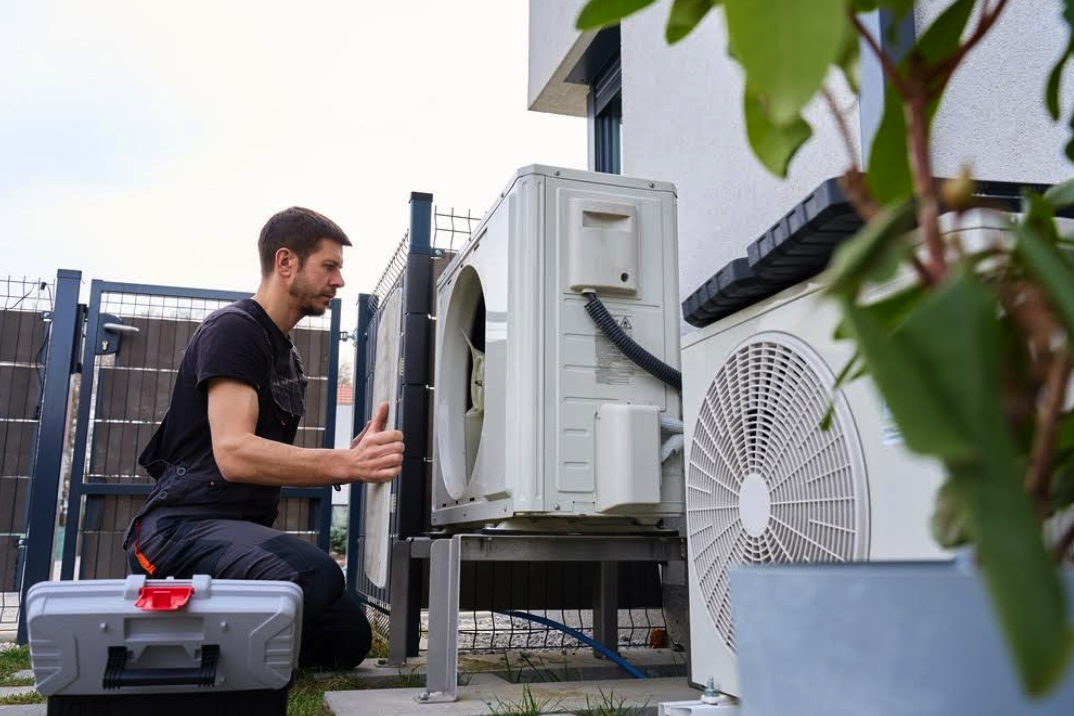
If you are considering HVAC or electrical upgrades, the first step is understanding what your home can support.
This usually includes evaluating your HVAC system, checking electrical capacity, and identifying any limitations before installation.
At Miller’s Heating & Air, we help homeowners in Southwest Washington and North Portland plan upgrades the right way. We focus on your home, not just the equipment.
If you are not sure where to start, we can help you with a clear evaluation and next steps.
How can Miller’s help you?
Fill out the form below to request information about our products and services,
and a Miller’s Heating & Air Representative will contact you shortly.
If you have an emergency give us a call.
VANCOUVER : (360) 695-6500
PORTLAND : (503) 972-2434