Heat Pump Repair: Common Problems Homeowners See
Many homes in the Pacific Northwest use heat pumps.
They heat homes in winter, cool them in summer, and run more months out of the year than most traditional systems. That’s one of the reasons heat pump installation in Vancouver, WA, has become so common.
But since they run so often, they’re also prone to issues.
Most homeowners don’t lose heat overnight, but there are signs. A system might run longer, or output weaker air. Ice might start building up outside.
The best thing you can do is keep your eye out for these warning signs and schedule heat pump repair in Vancouver, WA, as soon as you notice them.
How Heat Pumps Work in PNW Weather
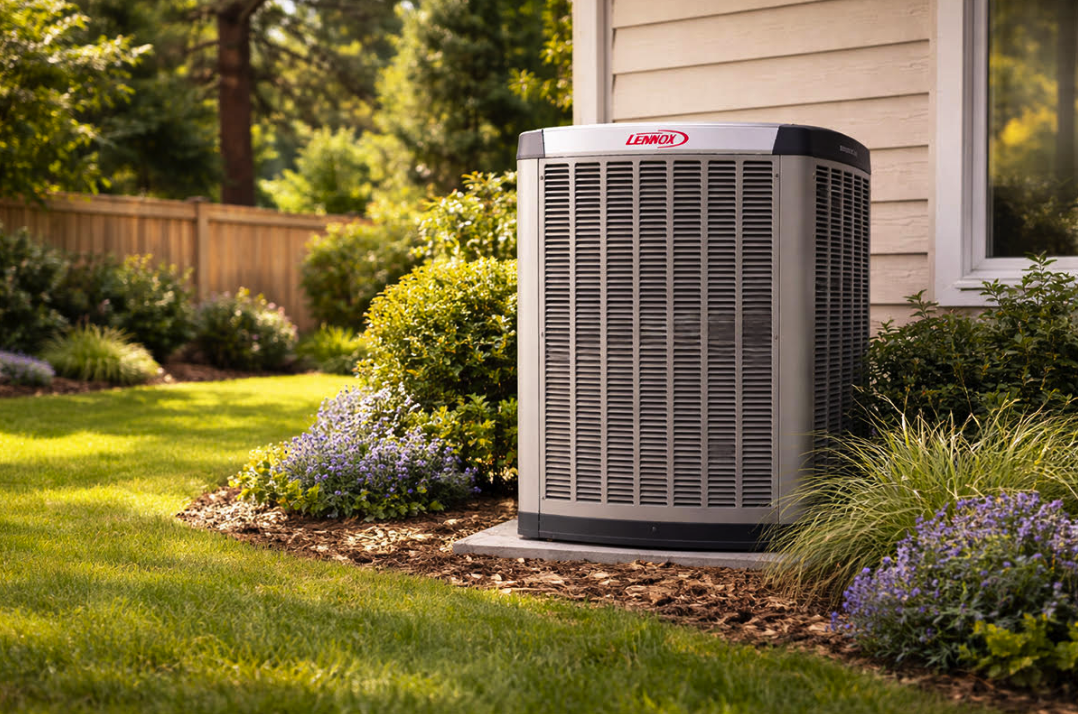
Heat pumps are different from furnaces in that they work by moving heat from one place to another. When it’s cold out, they pull heat from outside and bring it into the home. Even cold air contains usable heat.
It’s actually great for Vancouver’s climate, but that doesn’t mean it always works perfectly.
In the winter, frost can build up on the outdoor unit. The system deals with it using a defrost cycle that temporarily reverses operation to melt the ice.
You might hear a whooshing sound or see steam rising. The fan may even stop briefly.
All of that is normal.
The problem is when the system can’t keep up with those cycles.
Common Heat Pump Problems Homeowners Experience
Defrost Cycle Issues
Frost on the outdoor unit is expected. Ice that doesn’t go away is not.
If your heat pump is icing up on the outside unit constantly, something is off.
The defrost cycle should clear buildup automatically. When it doesn’t, ice begins to cover the coil and restrict airflow.
You may notice:
Thick ice that stays in place
Reduced heating output
The system running longer than usual
Heat pump defrost cycle not working correctly? Your unit is probably struggling to absorb heat. That also means it isn’t running as efficiently.
Airflow Restrictions
Many homeowners don’t notice airflow problems right away. It could be anything from a dirty filter to blockage on the outdoor coil. But as you start running your system more, you might notice that it takes longer to get the heat you’re looking for.
Over time, restricted airflow leads to:
Uneven temperatures
Longer run cycles
Increased wear on components
Airflow issues also contribute to icing problems and overall system strain.
If your heat pump is not heating properly, airflow should be one of the first things checked.
Refrigerant Problems
Refrigerant is what allows your system to transfer heat. If levels drop, performance drops with it.
Unless there’s a leak, refrigerant levels shouldn’t drop.
There are a few things to look out for in this situation:
Weak heating or cooling
Ice forming on refrigerant lines
Longer operating cycles
Difficulty maintaining temperature
We tend to get calls about refrigerant issues when it's cold out, since systems have to work harder to extract heat. The last thing you want to do is ignore a leak, as it can cause compressor damage, which is very expensive to fix.
Thermostat or Control Issues
Sometimes the system isn’t the problem.
Thermostats control everything, and even small errors can affect performance.
Some common issues include:
Incorrect mode settings
Calibration problems
Wiring faults
Programming errors with smart thermostats
If your system runs but doesn’t seem to respond correctly, check the thermostat before you assume something mechanical has failed.
Emergency Heat Confusion
This one catches a lot of people off guard.
Emergency heat exists as a backup mode. It uses electric resistance heating when it gets too cold outside for efficient heat pump operation.
But if emergency heat is left on, the system runs differently.
You might notice that your energy bills are higher or that your system won’t stop running entirely.
A lot of homeowners don’t realize they’ve accidentally left this setting on. Heat pump emergency heat running all the time can create unnecessary strain on your system.
You can resolve the issue by switching back to normal heat mode.
Why Heat Pumps Run Constantly in Winter
Furnaces work in shorter bursts than heat pumps, which is why it’s totally normal for a heat pump to run longer.
But if the system runs non-stop and still can’t maintain temperature, something is wrong.
Common causes include:
Airflow restrictions
Refrigerant issues
Defrost cycle problems
Undersized system
Thermostat errors
Long run times increase wear and energy use, even if the system hasn’t failed completely.

When to Schedule a Heat Pump Service Call
You don’t need to wait for a full breakdown to call for service.
Watch for these signs:
Reduced heating performance
Ice buildup that doesn’t clear
Unusual noises
System running constantly without reaching temperature
Rising energy bills that you can’t explain
When to Schedule HVAC Service in Vancouver, WA
The best time is before you need it, and especially before everyone else in town is calling.
We always tell our clients that the best and only way to prevent more expensive repairs is to get early diagnosis. With a simple, bi-annual service visit, an HVAC technician can:
Check your airflow and filters
Inspect your refrigerant levels
Test your electrical components
Evaluate your pump’s defrost cycle performance
The Bottom Line
Heat pumps don’t usually fail without warning. But if you don’t know the warning signs, then you won’t know when to act. Now that you know what to look for, schedule a heat pump repair if you notice any of the above symptoms.